
Sacó una botella reutilizable de la bolsa del gimnasio, desenroscó la tapa y le golpeó ese olor a humedad. En internet dicen que ponga una tableta para dentaduras postizas dentro. ¿Realmente funciona?
Versión corta: sí, en gran medida. Pero existe una diferencia entre "funciona en un apuro" y "es la herramienta adecuada para el trabajo", y esa diferencia resulta ser una interesante historia de negocio. Este artículo pone a prueba el truco en una botella real, lo compara con productos diseñados específicamente para ese fin y analiza por qué toda la categoría está cobrando impulso.
La respuesta corta: sí, pero con matices
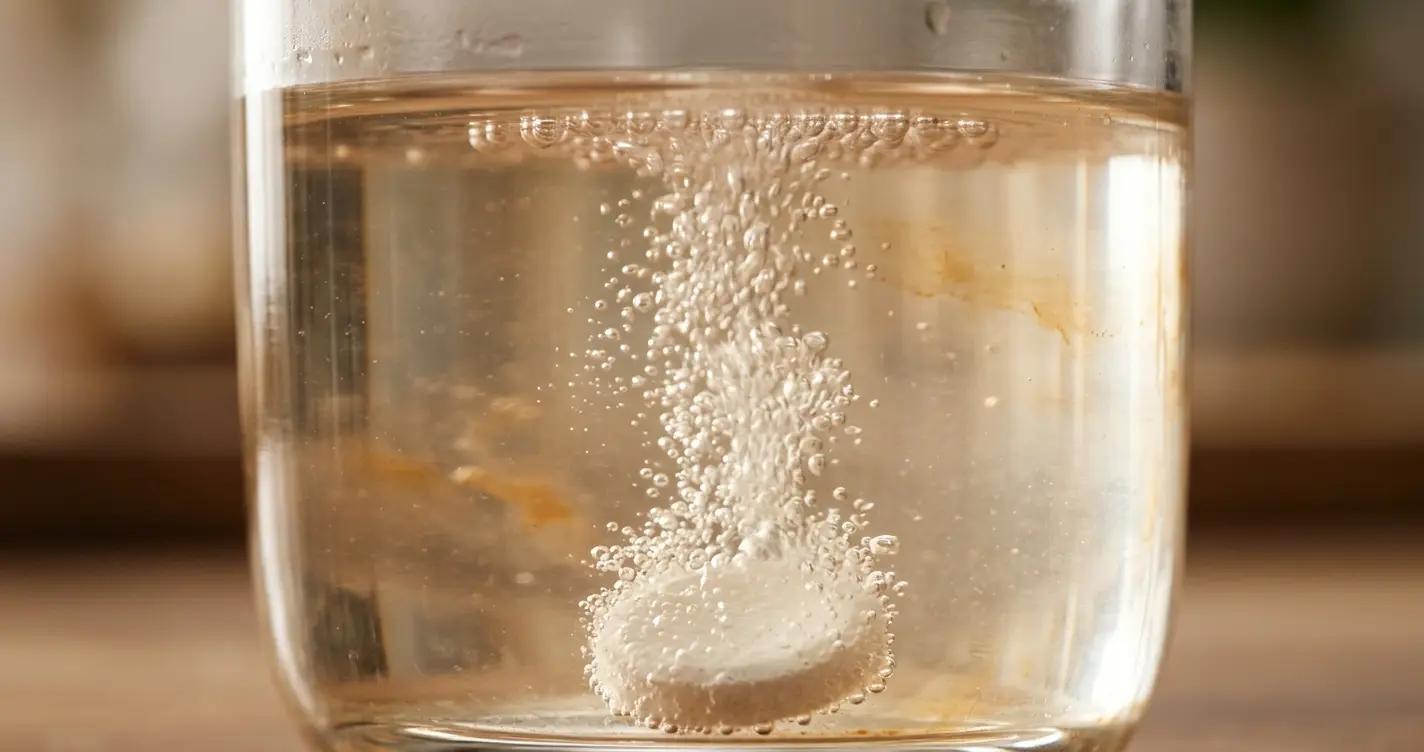
Las tabletas para dentaduras postizas limpian las botellas de agua porque su acción efervescente realiza un trabajo mecánico y químico al mismo tiempo. Las burbujas de oxígeno desprenden físicamente la suciedad, mientras que los ácidos y álcalis suaves descomponen la película adherida a las paredes.
Dicho esto, estas tabletas fueron diseñadas para dentaduras acrílicas, no para acero inoxidable ni Tritan. La formulación responde a ello. A continuación, se explica qué ocurre cuando toma un producto pensado para una función y lo utiliza para otra.
Por qué las tabletas para dentaduras postizas funcionan con la suciedad de las botellas
La mayoría de las tabletas para dentaduras postizas combinan bicarbonato de sodio y ácido cítrico. Cuando entran en contacto con el agua, ambos reaccionan para liberar dióxido de carbono, que es la efervescencia visible que realiza la limpieza donde el cepillo para botellas no puede llegar.
El verdadero protagonista suele ser el percarbonato de sodio, un agente de oxígeno activo. En solución, libera peróxido de hidrógeno, que oxida la materia orgánica presente en la biopelícula y elimina las manchas de pigmento que dejan el café, el té y los batidos de proteínas.
La biopelícula es la razón por la que una botella huele mal incluso después de enjuagarla. Es una matriz pegajosa de bacterias que un lavado rápido apenas afecta. Los agentes oxidantes la penetran y la aflojan, por lo que el método de efervescencia y remojo supera a la simple fricción.
Las limitaciones que debe conocer
Las tabletas para dentaduras postizas contienen saborizantes y aditivos antimicrobianos pensados para la boca. El aceite de menta, el lauril sulfato de sodio y los colorantes son habituales. Estos se adhieren al interior de la botella y pueden dejar un sabor que persiste después de varios enjuagues.
Tampoco están dosificadas para el volumen ni los materiales de un recipiente de hidratación. No existen pruebas de compatibilidad de materiales para aluminio anodizado, juntas de silicona de grado alimentario ni acabados exteriores con recubrimiento en polvo, habituales en las botellas térmicas. Cada vez está adivinando la concentración y el tiempo de contacto.
Caso práctico: cómo limpiar paso a paso una botella aislada manchada
Para ir más allá de la teoría, probé este método en una botella descuidada y registré qué cambió. Si ha buscado cómo limpiar una hydro flask con tabletas para dentaduras postizas, esta es la versión honesta de lo que puede esperar.
La preparación y el método
El objeto de la prueba fue una botella de acero inoxidable de doble pared de 32 oz, usada a diario durante ocho meses, principalmente para café cold brew y mezclas de electrolitos. Tenía un anillo marrón de té cerca del cuello, una película opaca en la base y un olor agrio evidente.
Método: se llenó con agua tibia a aproximadamente 40°C (lo bastante caliente para acelerar la reacción y lo bastante templada para proteger los sellos), se añadieron dos tabletas estándar y se colocó la tapa sin cerrar por completo para liberar el gas. Medí en tres intervalos: un remojo de 30 minutos y luego un remojo nocturno completo de 8 horas, enjuagando tres veces con agua fría del grifo después de cada uno.
Resultados antes y después
| Métrica | Antes de la limpieza | Después de 30 min de remojo | Después de 8 horas de remojo |
|---|---|---|---|
| Manchas visibles | Intensas | Reducido | Eliminado |
| Olor | A humedad | Leve | Neutro |
| Sabor residual | N/A | Ligero toque de menta | Ligero toque de menta |
La línea de té se atenuó notablemente a los 30 minutos y desapareció durante la noche. La turbidez en la base necesitó un remojo más prolongado para eliminarse por completo. El olor disminuyó rápido, lo que coincide con que el agente de oxígeno actuó sobre la biopelícula desde el principio.
Conclusión clave de la prueba
Con las manchas y el olor, las tabletas cumplieron. Con el sabor, no. Incluso después de tres enjuagues tras el remojo nocturno, el primer llenado de agua sola conservó una ligera nota de menta.
Ese sabor residual es la señal. No es un fallo de limpieza, sino una incompatibilidad de formulación. El producto hizo un trabajo para el que no fue diseñado y dejó su huella.
Tabletas para dentaduras postizas vs. tabletas específicas para limpiar botellas de agua
Si solo limpia una botella de vez en cuando, el truco funciona. Si lo hace semanalmente, o intenta eliminar manchas de la botella de agua con tabletas efervescentes de forma habitual, el cálculo cambia. Aquí tiene la comparación directa.
Comparación directa
| Factor | Tabletas para dentaduras postizas | Tabletas para limpiar botellas de agua |
|---|---|---|
| Formulado para | Aparatos bucales | Botellas reutilizables/aisladas |
| Sabor residual | A menudo mentolado | Enjuague neutro y apto para uso alimentario |
| Seguridad del material | No específico para botellas | Probado para acero inoxidable/plástico |
| Costo por uso | Moderado | Optimizado |
| Mejor caso de uso | Solución ocasional | Limpieza profunda rutinaria |
Por qué las tabletas diseñadas específicamente son la mejor opción para el uso regular
La cuestión de si las tabletas para dentaduras postizas son seguras para botellas reutilizables tiene una respuesta matizada: un remojo ocasional seguido de un enjuague minucioso generalmente implica bajo riesgo, pero los aditivos no están pensados para una exposición repetida al contacto con alimentos.
Las tabletas específicas omiten los saborizantes y los antimicrobianos orientados a la boca. Están formuladas en torno a una liberación de oxígeno de enjuague limpio y están validadas frente a los materiales de los que realmente están hechas las botellas. Para cualquiera que se pregunte cuál es la mejor manera de realizar una limpieza profunda de botellas de agua aisladas, esa es la diferencia entre una solución provisional y una rutina adecuada.
La realidad del mercado: las tabletas para limpiar botellas de agua están en tendencia
Aquí es donde cambia la historia. El hecho de que miles de personas estén buscando en Google un truco con tabletas para dentaduras postizas no es solo un consejo de limpieza. Es una señal de demanda.
Demanda del consumidor y comportamiento de búsqueda
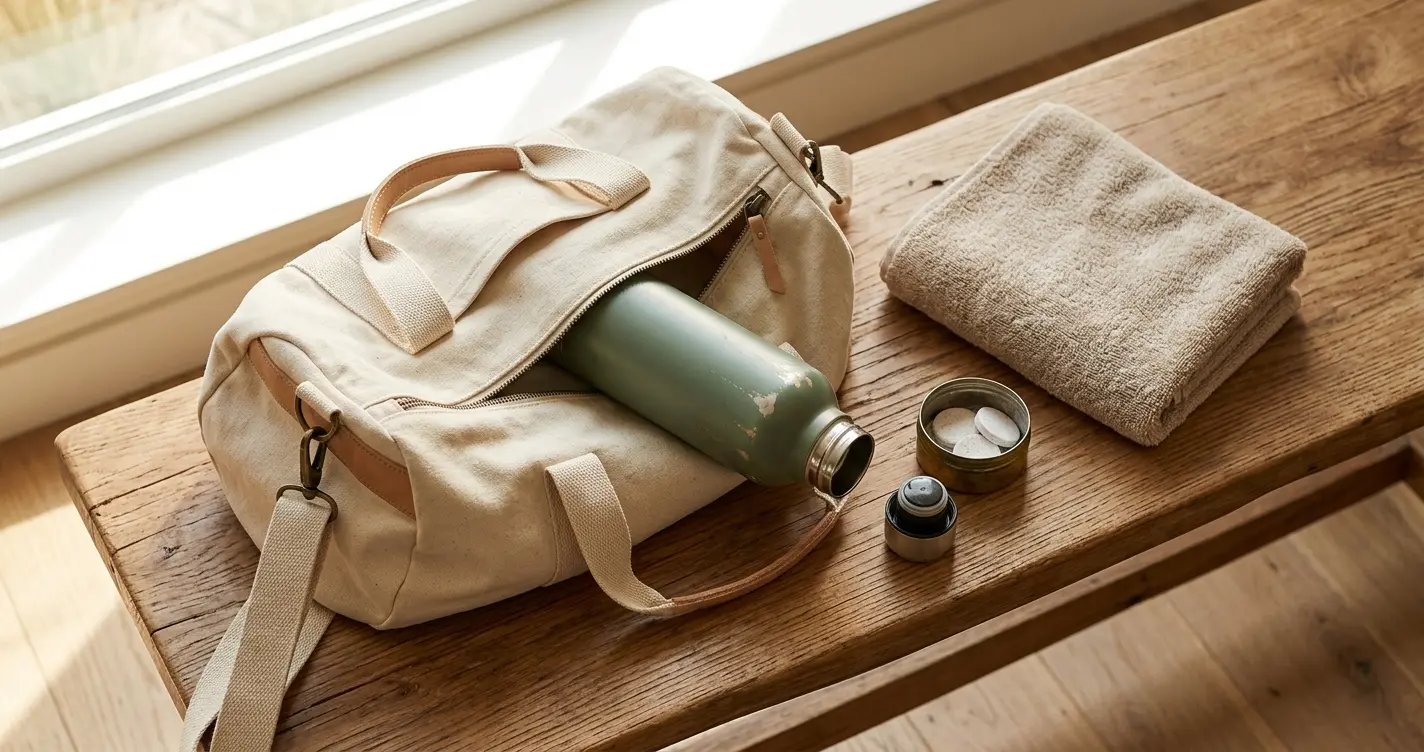
El auge de las botellas reutilizables no se desaceleró. A partir de 2026, el mercado global de botellas de agua reutilizables se sitúa en el rango de varios miles de millones de dólares, con un crecimiento anual constante de un solo dígito medio, impulsado por hábitos de sostenibilidad y la disminución del plástico de un solo uso en muchas regiones.
Más botellas en circulación significa más botellas que se ensucian. El interés de búsqueda por métodos de limpieza para botellas de acero inoxidable y botellas aisladas ha aumentado junto con la propiedad, y los trucos de bricolaje en tendencia en las plataformas sociales son, en la práctica, una investigación de mercado gratuita que indica que se desea un producto adecuado.
Panorama del mercado
| Indicador | Tendencia | Implicación para los vendedores |
|---|---|---|
| Adopción de botellas reutilizables | En aumento | Mercado objetivo más amplio |
| Interés en tabletas de limpieza | En crecimiento | Potencial de compra recurrente |
| Preferencia por la sostenibilidad | Sólido | Espacio para un posicionamiento ecológico |
El enfoque en la compra recurrente es lo más importante. Una botella es una venta única. Las tabletas de limpieza son un consumible, lo que representa un modelo de negocio fundamentalmente mejor.
De solución casera a oportunidad de producto
Cuando una solución alternativa se vuelve masiva, normalmente significa que el mercado aún no ha sido atendido correctamente. Esa es la brecha.
Por qué el interés en el DIY indica un producto comercializable
Las personas que recurren a tabletas para dentaduras postizas le están diciendo dos cosas: tienen un problema, y ningún producto diseñado específicamente para ello les vino primero a la mente. Ambas son oportunidades.
Una tableta formulada específicamente para botellas, que se enjuaga sin dejar residuos y es segura para los materiales, resuelve exactamente la frustración que la solución improvisada solo resuelve a medias. No está creando demanda desde cero, está satisfaciendo una demanda que ya existe.
Lo que se necesita para entrar en este mercado
Las barreras son reales pero manejables: una formulación probada, documentación de cumplimiento para contacto con alimentos, un fabricante que pueda producir con calidad constante y una forma de probar el mercado sin arriesgar su capital en un primer pedido enorme.
Asóciese con Boymay para lanzar sus propias tabletas de limpieza
Aquí es donde el caso práctico se conecta con una vía concreta. Boymay fabrica tabletas de limpieza efervescentes y trabaja con emprendedores que desean introducir su propia marca en esta categoría.
Capacidad de fabricación en la que puede confiar
Boymay opera una instalación de 40,000 m² con más de una docena de líneas de producción. Esa capacidad significa que sus nuevos pedidos no se detienen cuando la demanda aumenta, y que su economía por unidad mejora a medida que escala.
MOQ bajo para pruebas de mercado en lotes pequeños
El pedido mínimo es de 1,000 unidades. Es deliberadamente bajo para que pueda poner un producto real frente a clientes reales, recopilar comentarios y confirmar la demanda antes de comprometerse con una producción grande.
Para un vendedor primerizo, esta es la diferencia entre una prueba controlada y una apuesta costosa. Primero valida y luego escala.
Cumplimiento gestionado para una entrada más rápida al mercado
La documentación regulatoria es donde muchos nuevos vendedores pierden meses. Boymay mantiene documentación de cumplimiento completa para sus tabletas de limpieza, lo que acorta el camino para publicar en marketplaces y cumplir con los requisitos de importación.
Venga a Ver la Fábrica
Si prefiere verificar en lugar de aceptar afirmaciones por fe, ese es el instinto correcto en la fabricación. Le invitamos a visitar las instalaciones, recorrer las líneas de producción e inspeccionar el control de calidad en persona antes de realizar un pedido.
¿Listo para Convertir la Tendencia en un Producto?
El truco de las tabletas para dentaduras funciona lo suficientemente bien como para demostrar una cosa: la gente quiere una botella limpia y una mejor solución que un producto prestado. Esa solución es un mercado real que espera ser atendido.
Si está listo para pasar de detectar la oportunidad a hacerla suya, póngase en contacto con Boymay. Comience con un lote de 1,000 unidades, apóyese en el soporte de cumplimiento listo para usar y reserve una visita a la fábrica para ver exactamente en qué está invirtiendo antes de comprometerse. Contáctenos para lanzar su propia línea de tabletas de limpieza para botellas de agua.
Preguntas Frecuentes
P: ¿Se pueden usar tabletas para dentaduras para limpiar una botella de agua de forma segura?
R: Sí, para un uso ocasional. Llénela con agua tibia, añada una o dos tabletas, déjela en remojo y luego enjuáguela bien al menos tres veces antes de beber de ella. El principal riesgo es un enjuague insuficiente que deje residuos de aditivos.
P: ¿Las tabletas para dentaduras dejan sabor en la botella?
R: A menudo, sí. Muchas contienen menta y otros saborizantes que se adhieren al interior de la botella y pueden permanecer después de varios enjuagues. Los enjuagues adicionales con agua fría lo reducen, pero las tabletas diseñadas específicamente evitan por completo el problema.
P: ¿Cuál es la mejor manera de limpiar a fondo las botellas de agua con aislamiento?
R: Use una tableta dedicada para limpiar botellas en agua tibia, déjela en remojo durante 30 minutos para acumulación ligera o toda la noche para manchas y olores persistentes, luego enjuague. Evite el agua hirviendo, ya que puede dañar los sellos y los recubrimientos.
P: ¿Las tabletas para dentaduras postizas son seguras para botellas reutilizables a largo plazo?
R: No están destinadas para ese uso. Los aditivos están formulados para aparatos orales, no para la limpieza repetida de superficies en contacto con alimentos. Para la rutina habitual, las tabletas probadas para botellas de acero inoxidable y plástico son la opción más segura y con mejor enjuague.
P: ¿Cómo empiezo a vender tabletas de limpieza para botellas de agua?
R: Comience con un fabricante que ofrezca un MOQ bajo y documentación de cumplimiento lista. Un lote de prueba de 1,000 unidades le permite validar la demanda y perfeccionar su marca antes de escalar a una producción mayor.