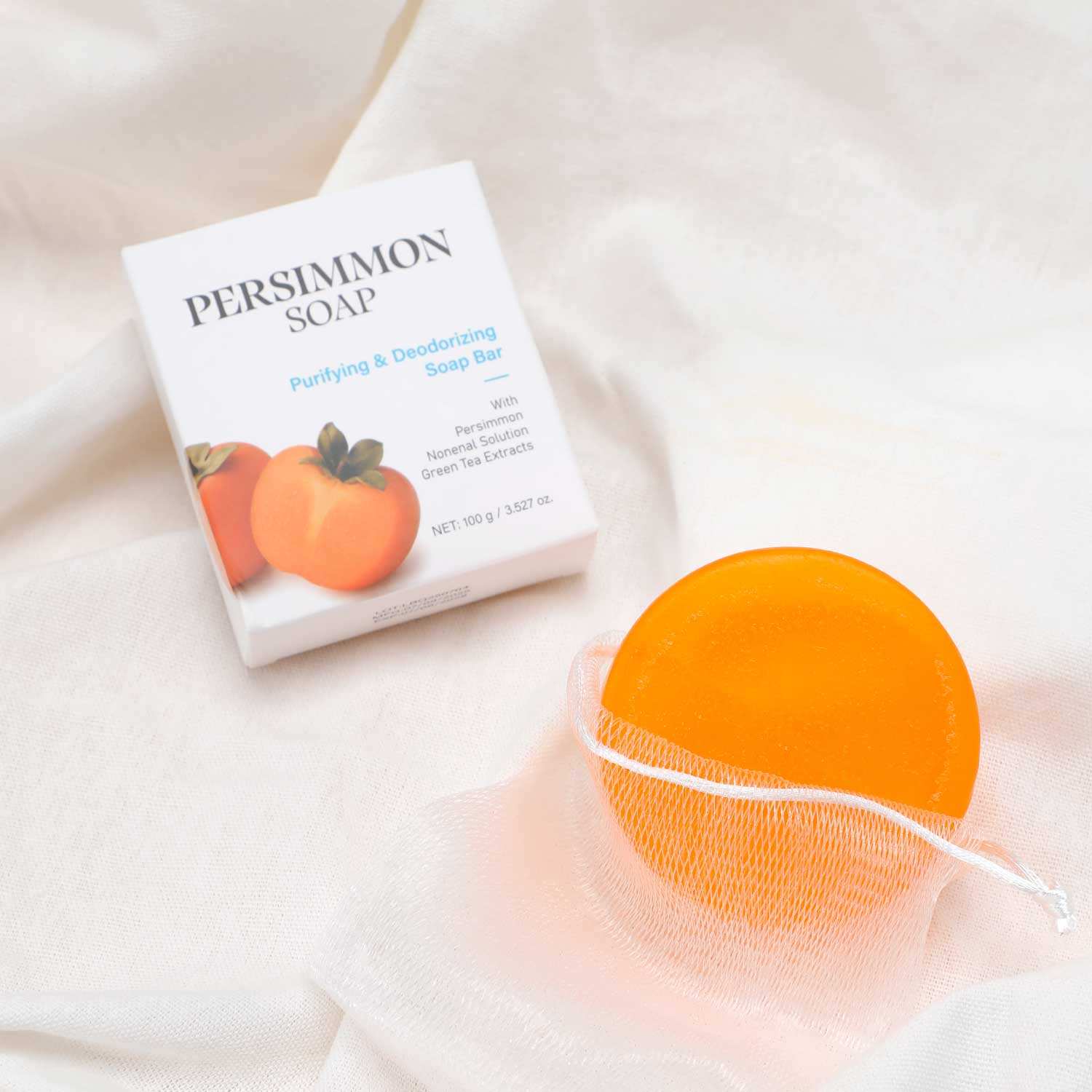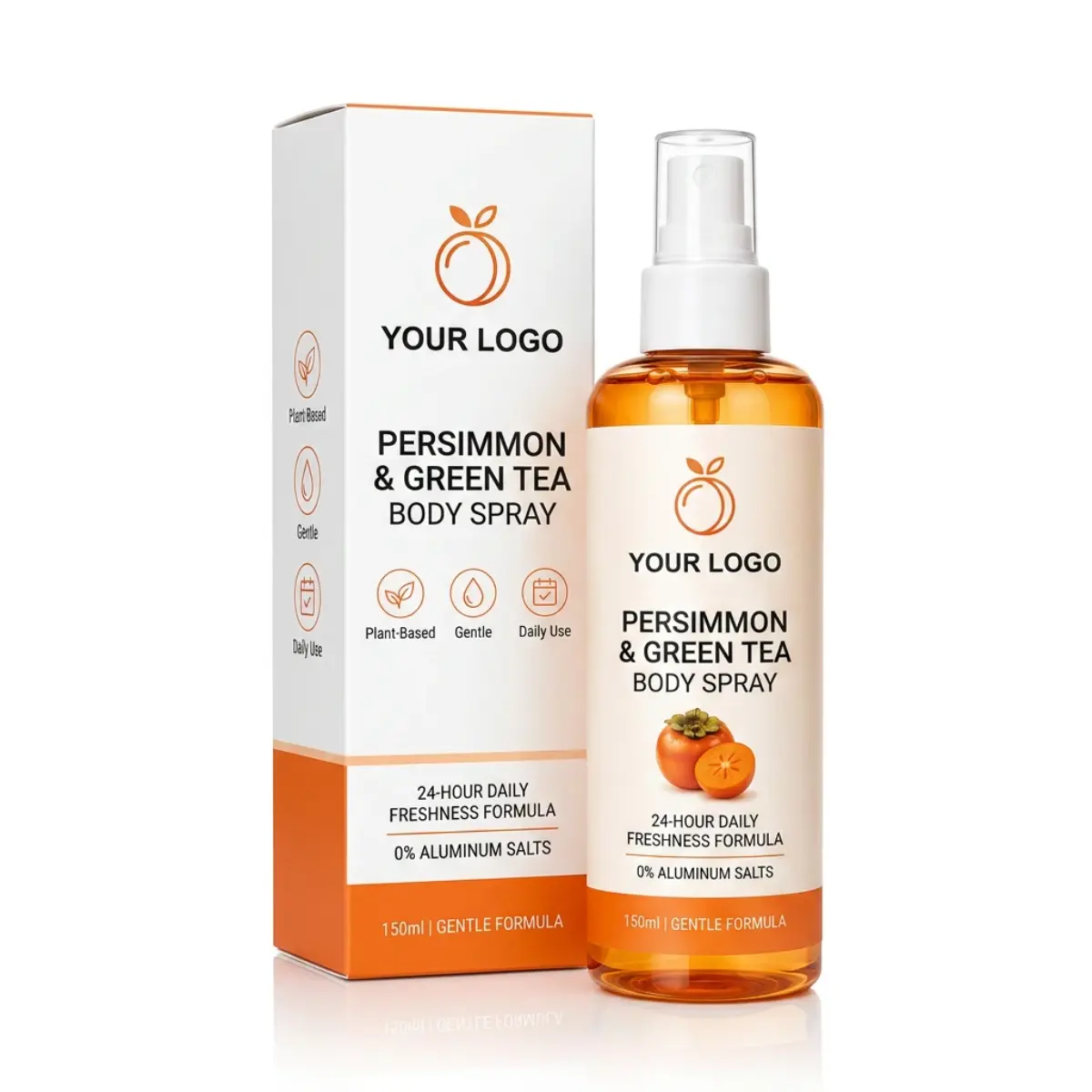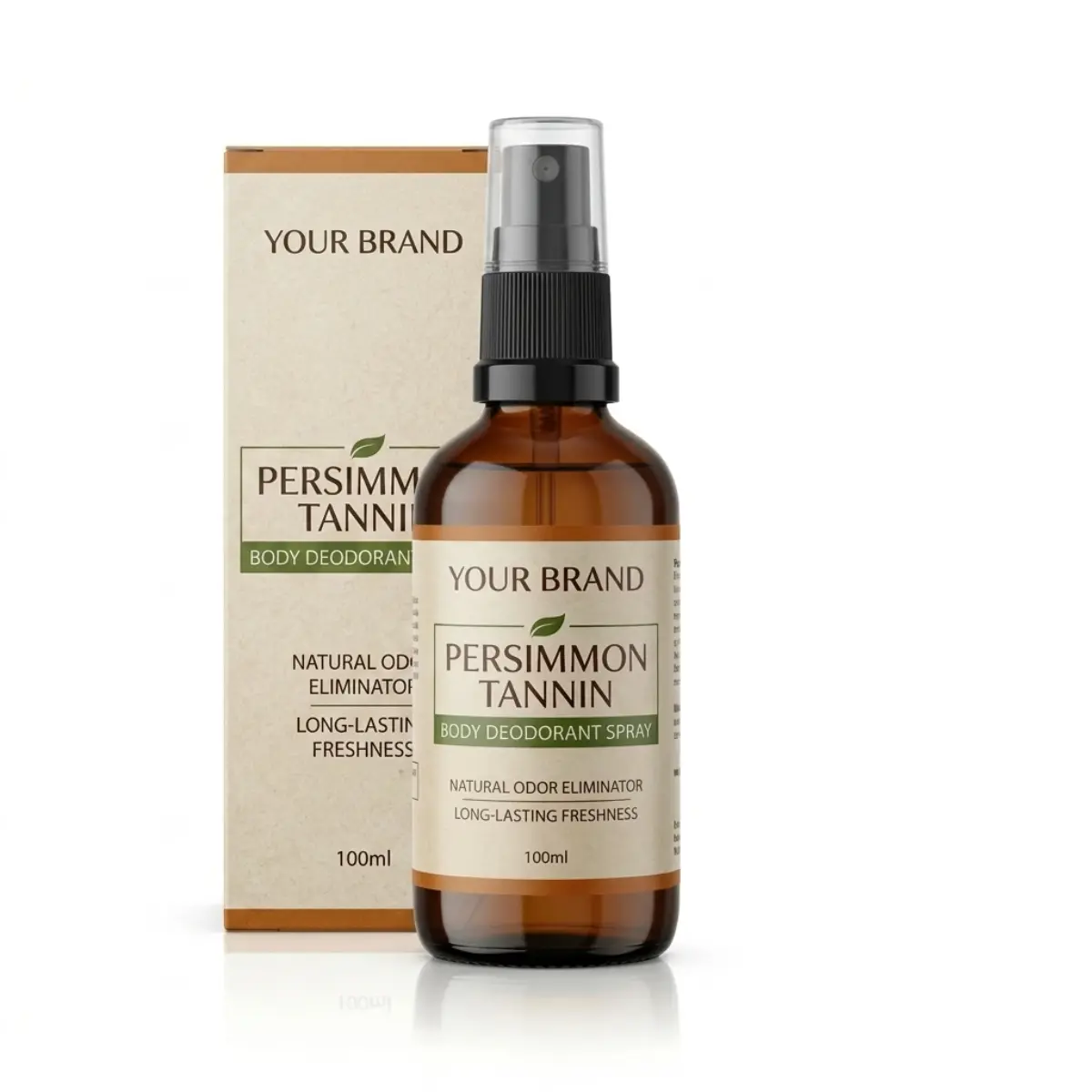

Abastecerse de un jabón desodorizante de caqui (taninos de kaki) parece sencillo hasta que solicita su tercera cotización y se da cuenta de que cada fábrica define las "BPM" de manera diferente. Esta guía le explica qué distingue realmente a un socio de fabricación de un simple tomador de pedidos, de modo que, al final, pueda preseleccionar proveedores, evaluarlos adecuadamente y realizar un pedido piloto sin arriesgar el presupuesto de su lanzamiento.
Lo que está en juego es mayor de lo que la mayoría de los propietarios de marcas primerizos esperan. El jabón de caqui pertenece a la categoría de cuidado personal, lo que significa que la seguridad para la piel, la estabilidad de la formulación y un rendimiento constante en el control de olores repercuten directamente en sus reseñas, devoluciones y tasa de recompra. Una fórmula deficiente no solo tiene un rendimiento inferior, sino que genera quejas de una estrella que no se pueden deshacer.
- Las certificaciones primero: Exija BPM cosméticas (ISO 22716) además del cumplimiento específico del mercado antes de hablar de precio.
- La profundidad de la formulación es clave: Un equipo de I+D real puede ajustar la concentración de taninos, estabilizar el color y prevenir la rancidez; los equipos subcontratados no pueden hacerlo.
- Un MOQ bajo protege su capital: Comenzar con alrededor de 1,000 unidades mantiene intacto su capital de trabajo mientras valida la demanda.
- Los plazos revelan la fiabilidad: Espere muestras en aproximadamente 7–14 días y producción en volumen en 25–30 días; las estimaciones vagas son una señal de advertencia.
- Ponga a prueba antes de confiar: Las pruebas objetivas de muestras y un pequeño pedido piloto superan cualquier discurso de ventas.
Por Qué la Elección de su Fabricante Determina el Destino de su Marca
Esta es la incómoda verdad: sus clientes nunca sabrán quién fabricó su jabón, pero sin duda culparán a su marca cuando algo salga mal. Un lote que se oxida y huele agrio después de cuatro meses en el estante es su problema, no el de la fábrica, una vez que su nombre está en el envoltorio.
El jabón de caqui también conlleva una promesa funcional—neutralización de olores—que los compradores pueden evaluar frente a su propia experiencia. Si el efecto desodorizante es inconsistente de barra en barra, la confianza se erosiona rápidamente. Esto hace que la selección del fabricante sea menos sobre encontrar la cotización más barata y más sobre encontrar a alguien que pueda reproducir la misma calidad en cada tanda de producción.
La Respuesta Rápida
Priorice fabricantes con certificación GMP cosmética/ISO 22716 verificable, experiencia documentada en formulación con taninos de caqui, cantidades mínimas de pedido transparentes y plazos de entrega escritos y realistas. Confirme estos cuatro puntos y todo lo demás—precios, niveles de empaque, condiciones de pago—se convierte en negociación en lugar de riesgo.
Qué Es Realmente el Jabón de Caqui (y Por Qué Importa la Formulación)
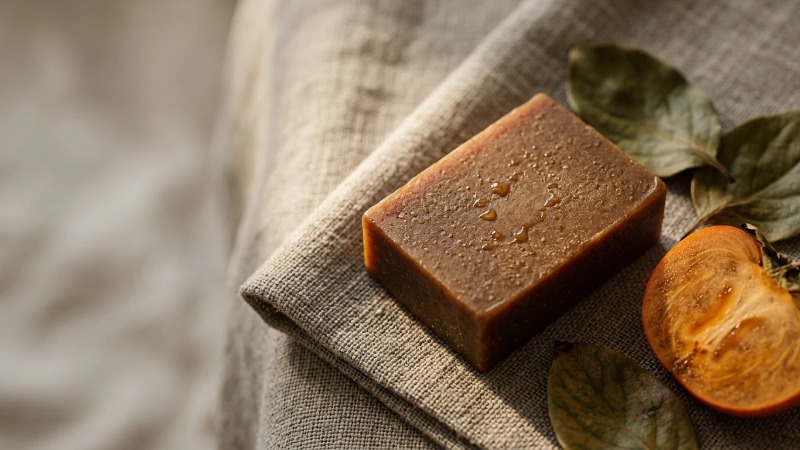
El jabón de caqui construye su reputación en base al kakishibu, el jugo fermentado de caquis japoneses astringentes. Entender lo que ocurre químicamente le ayuda a hacer preguntas más certeras y a identificar proveedores que están exagerando.
El Ingrediente Activo: Tanino de Caqui (Kakishibu / Shibuol)
La molécula principal es el tanino de caqui, un polifenol a veces referido por su componente shibuol. Funciona uniéndose a los compuestos causantes de olores—particularmente el nonenal, el aldehído asociado con el olor corporal relacionado con la edad—de modo que se eliminan al enjuagar en lugar de persistir en la piel.
Dos variables determinan el rendimiento: la concentración de tanino y el método de extracción. Un extracto obtenido a bajo costo y diluido para alcanzar un precio determinado simplemente no desodorizará de la misma manera que una fórmula adecuadamente concentrada. Y un fabricante responsable presentará esto como una ayuda limpiadora y reductora de olores, no como un tratamiento médico—porque no lo es.
Formatos Comunes y Formulaciones Base
Generalmente elegirá entre barras de proceso en frío, proceso en caliente y syndet (detergente sintético). El proceso en frío se adapta a un posicionamiento artesanal y con alto contenido de glicerina; las barras syndet ofrecen control de pH y suavidad que favorecen las líneas para piel sensible. Las bases de glicerina vegana están ampliamente disponibles y son cada vez más esperadas en los mercados de Norteamérica y Europa.
Los ingredientes adicionales redefinen tanto el costo como la historia del producto. El carbón activado refuerza el enfoque de "desintoxicación", el árbol de té aporta un matiz antibacteriano, y un mayor porcentaje de extracto de caqui eleva tanto la eficacia como el precio. Cada decisión mueve su producto hacia arriba o hacia abajo en el estante.
Afirmaciones Que Puede y No Puede Hacer Legalmente
Aquí es donde las marcas se meten en problemas. "Ayuda a neutralizar el olor corporal" es un lenguaje de marketing defendible. "Cura" o "trata" cualquier afección cruza hacia el territorio de las afirmaciones farmacéuticas que los reguladores vigilan.
Los requisitos difieren según la región: la FDA regula el etiquetado cosmético en EE. UU., la UE exige un Informe de Seguridad de Producto Cosmético y notificación CPNP, y los mercados del Golfo siguen las normas de la Organización de Normalización del CCG. Un fabricante que valga la pena contratar conocerá estos marcos regulatorios y lo alejará de afirmaciones que podrían provocar la retirada de su listado.
Los 7 Criterios Que Distinguen a los Fabricantes Serios de los Simples Tomadores de Pedidos
1. Certificaciones y Documentación de Cumplimiento
Solicite los certificados reales, no logotipos en un sitio web. El GMP cosmético bajo la norma ISO 22716 demuestra una higiene de fabricación controlada. El acceso al mercado también puede requerir el registro de instalaciones ante la FDA, un CPSR de la UE preparado por un evaluador de seguridad calificado, y un informe SMETA si sus compradores minoristas exigen evidencia de abastecimiento ético. Cada documento demuestra algo específico: aprenda qué es y verifique los números de certificado con el organismo emisor.
2. Capacidad de Formulación e I+D
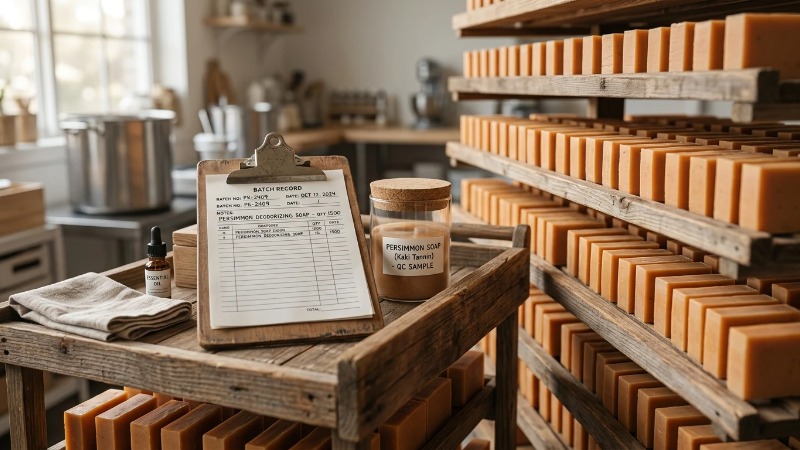
La única pregunta que más revela: "¿Formulan internamente o lo subcontratan?" Una fábrica con I+D genuina puede aumentar o disminuir la concentración de taninos, estabilizar un color que de otro modo se oscurecería con el tiempo, y diagnosticar por qué un lote se echó a perder. Los simples tomadores de pedidos solo revenden una receta estándar con su etiqueta pegada encima.
3. Cantidad Mínima de Pedido y Escalabilidad
Una MOQ baja—comenzando alrededor de 1,000 unidades—permite que una marca nueva pruebe el mercado sin inmovilizar decenas de miles de dólares en inventario. Pero también confirme que la fábrica pueda escalar hacia arriba: pregunte cómo se ve su capacidad mensual cuando su pedido de reposición sea diez veces mayor. Usted quiere un socio que se adapte tanto a su primer pedido como a su quincuagésimo.
4. Proceso de Muestreo y Tiempos de Entrega
Los estándares realistas importan. Las muestras personalizadas suelen tardar de 7 a 14 días según la fórmula, la fragancia, el aspecto y la complejidad del empaque, mientras que la producción a granel suele tomar de 25 a 30 días. Un proveedor que promete todo en 48 horas está mintiendo o recortando aspectos que usted pagará más adelante.
5. Profundidad de personalización: fórmula, molde, fragancia, empaque
El soporte OEM/ODM completo incluye moldes personalizados, fórmulas ajustables, opciones veganas y libres de crueldad animal, y empaques de marca privada elaborados según sus especificaciones. Compare eso con un proveedor que solo vuelve a etiquetar una barra existente, algo aceptable para una prueba rápida, pero limitante para una marca que desea tener control total sobre su imagen y estilo.
6. Control de calidad y consistencia de los lotes
Indague en los detalles: ¿Qué puntos de control de calidad existen entre la recepción de materia prima y el envío? ¿Conservan muestras de retención de cada lote? ¿Han realizado pruebas de estabilidad para confirmar que la barra se mantiene en buen estado durante toda su vida útil? Y algo fundamental: ¿cuál es el proceso cuando un lote no cumple los estándares? Una respuesta segura en este punto indica madurez.
7. Comunicación, transparencia y trayectoria
La rapidez de respuesta durante la etapa de cotización anticipa el nivel de servicio después de haber pagado. Para compradores en Norteamérica, Europa y Medio Oriente, contar con soporte confiable en inglés y experiencia de exportación verificable no son lujos. Solicite referencias o evidencia de envíos a su región.
Tabla comparativa: socio confiable frente a proveedor de alerta
| Criterio | Señal positiva | Señal de advertencia |
|---|---|---|
| Certificaciones | GMP/ISO 22716 verificable, comparte números de certificado | Solo logotipos, "certificado en trámite" |
| Transparencia en el MOQ | MOQ claro por escrito desde ~1,000 unidades | Mínimos cambiantes, respuestas evasivas |
| Velocidad de muestreo | 7–14 días con un proceso documentado | Promesas poco realistas o sin cronograma |
| Registros de control de calidad | Muestras de retención, datos de estabilidad, registros de lotes | "Confíe en nosotros, la calidad es buena" |
| Personalización | Molde, fórmula y empaque personalizados | Solo vuelve a etiquetar barras de stock |
| Comunicación | Soporte rápido, fluido y específico de la región | Días de silencio, respuestas traducidas por máquina |
| Referencias | Experiencia de exportación reconocida en su mercado | Sin historial verificable |
Desglose de Costos: Lo Que Realmente Está Pagando
Factores de Costo
| Factor | Impacto Direccional en el Costo |
|---|---|
| Concentración de taninos | Alta |
| Tipo de base (syndet vs. proceso en frío) | Media |
| Molde / herramental personalizado | Alta (única vez) |
| Complejidad de la fragancia | Media |
| Nivel de empaque | Bajo a Alto |
| Volumen de pedido | Inversa—los lotes más grandes reducen el costo por unidad |
Costos Ocultos para Presupuestar
La cotización rara vez muestra el panorama completo. Reserve presupuesto para tarifas únicas de herramental, pruebas de cumplimiento y evaluaciones de seguridad, además de flete y aranceles que varían drásticamente según el destino. Los mínimos de reorden también pueden tomarlo por sorpresa, así que confírmelos antes de su primera orden de compra.
Un Flujo de Trabajo de Evaluación Paso a Paso
Paso 1: Elabore un Resumen de Requisitos
Anote el mercado objetivo, las declaraciones deseadas, el tipo base, el nivel de taninos, el empaque y el presupuesto. Un resumen claro hace que las cotizaciones sean comparables y expone a los proveedores que no pueden cumplir con su especificación.
Paso 2: Preseleccione y Solicite Documentación
Reduzca la lista a tres o cuatro candidatos y pida a cada uno certificados, fórmulas de muestra y referencias. La forma en que responden le dice tanto como lo que envían.
Paso 3: Pida y Pruebe Muestras de Forma Objetiva
Pruebe la espuma, la duración del aroma, la estabilidad del color y—si es posible—el rendimiento desodorizante durante varios días. Califíquelas según una lista de verificación fija en lugar de una impresión subjetiva.
Paso 4: Realice un Pedido Piloto Pequeño Antes de Comprometerse
Un MOQ bajo hace que un piloto genuino sea factible. Úselo para verificar la consistencia de los lotes frente a su muestra aprobada y para poner a prueba la comunicación y el envío.
Paso 5: Formalice por Escrito los Términos, la Propiedad Intelectual y los Estándares de Control de Calidad
Incluya la propiedad de la fórmula, los criterios de aceptación de control de calidad, los plazos de entrega y las soluciones para lotes fallidos en un acuerdo firmado. Los entendimientos verbales se desvanecen en el momento en que algo sale mal.
Errores Comunes que Cometen los Compradores Primerizos
El error más costoso es perseguir el precio más bajo ignorando el cumplimiento normativo—una barra económica que falla en una revisión de seguridad de la UE cuesta mucho más que el ahorro obtenido. Omitir las pruebas de estabilidad es un error casi igual de grave, ya que los problemas suelen aparecer meses después del lanzamiento.
Otros subestiman la escalabilidad, eligiendo un taller que no puede crecer junto con ellos, o aceptan afirmaciones de certificación sin verificarlas. Cada atajo parece eficiente hasta que deja de serlo.
¿Listo para Abastecerse con Confianza?
Si está comparando socios para la formulación personalizada de jabón de caqui, vale la pena comenzar con un fabricante que ya cumpla con los criterios anteriores. Boymay se ha especializado en la fabricación OEM/ODM de cuidado personal desde 1995, operando una instalación de 40,000 metros cuadrados con certificaciones GMP, ISO, FDA y SMETA, un MOQ bajo de 1,000 unidades y muestras personalizadas listas típicamente en 7–14 días.
Solicite una cotización o una muestra personalizada gratuita para probar la fórmula, el aroma y el acabado según sus propios estándares—la forma de menor riesgo de comprobar si se ajusta a su marca antes de comprometerse con una producción completa.
Puntos Clave
- Verifique el cumplimiento de GMP/ISO 22716 cosmético y las normativas específicas del mercado antes de negociar el precio.
- Favorezca a los fabricantes con I+D interno que puedan ajustar los niveles de taninos y prevenir la rancidez.
- Un MOQ bajo (alrededor de 1,000 unidades) protege el flujo de caja—confirme que la fábrica también pueda escalar la producción.
- Espere muestras en 7–14 días y producción en volumen en 25–30 días; desconfíe de plazos poco claros.
- Siempre pruebe las muestras de manera objetiva y realice un pedido piloto antes de asumir un compromiso grande.
- Obtenga la propiedad de la formula, los estandares de control de calidad y las soluciones en un acuerdo por escrito.
Preguntas Frecuentes
P: ¿Que certificaciones debe tener un fabricante de jabon de caqui?
R: Como minimo, GMP cosmetico bajo la norma ISO 22716. Segun su mercado, agregue el registro de instalaciones ante la FDA para EE. UU., un CPSR y una notificacion CPNP para la UE, y un informe de auditoria social SMETA si sus compradores minoristas requieren prueba de abastecimiento etico. Verifique siempre los numeros de certificado directamente con el emisor.
P: ¿Cual es un MOQ realista para jabon de caqui de marca privada?
R: Los fabricantes OEM de buena reputacion pueden comenzar alrededor de 1,000 unidades, lo que permite a las marcas nuevas validar la demanda sin comprometer en exceso el inventario. Los minimos extremadamente altos suelen indicar una fabrica orientada a grandes cuentas en lugar de marcas en crecimiento.
P: ¿Cuanto tiempo toman el muestreo y la produccion en volumen?
R: Las muestras personalizadas suelen tardar de 7 a 14 dias, segun la formula, la fragancia, el aspecto y el envase. La produccion en volumen generalmente toma de 25 a 30 dias despues de la aprobacion de la muestra. Los plazos mas cortos que estos merecen un analisis cuidadoso.
P: ¿Puede fabricarse el jabon de caqui de forma vegana y libre de crueldad animal?
R: Si. La glicerina vegana y las bases de origen vegetal se utilizan ampliamente, y las formulas pueden producirse sin pruebas en animales. Confirme esto por escrito y pregunte como respalda el fabricante esta afirmacion segun las normas de etiquetado de su mercado objetivo.
P: ¿Como puedo verificar las afirmaciones de un fabricante antes de hacer un pedido?
R: Solicite los certificados originales y verifique los números con los organismos emisores, pida referencias en su región, pruebe las muestras según una lista de verificación fija y realice un pequeño pedido piloto para confirmar la consistencia del lote antes de escalar.