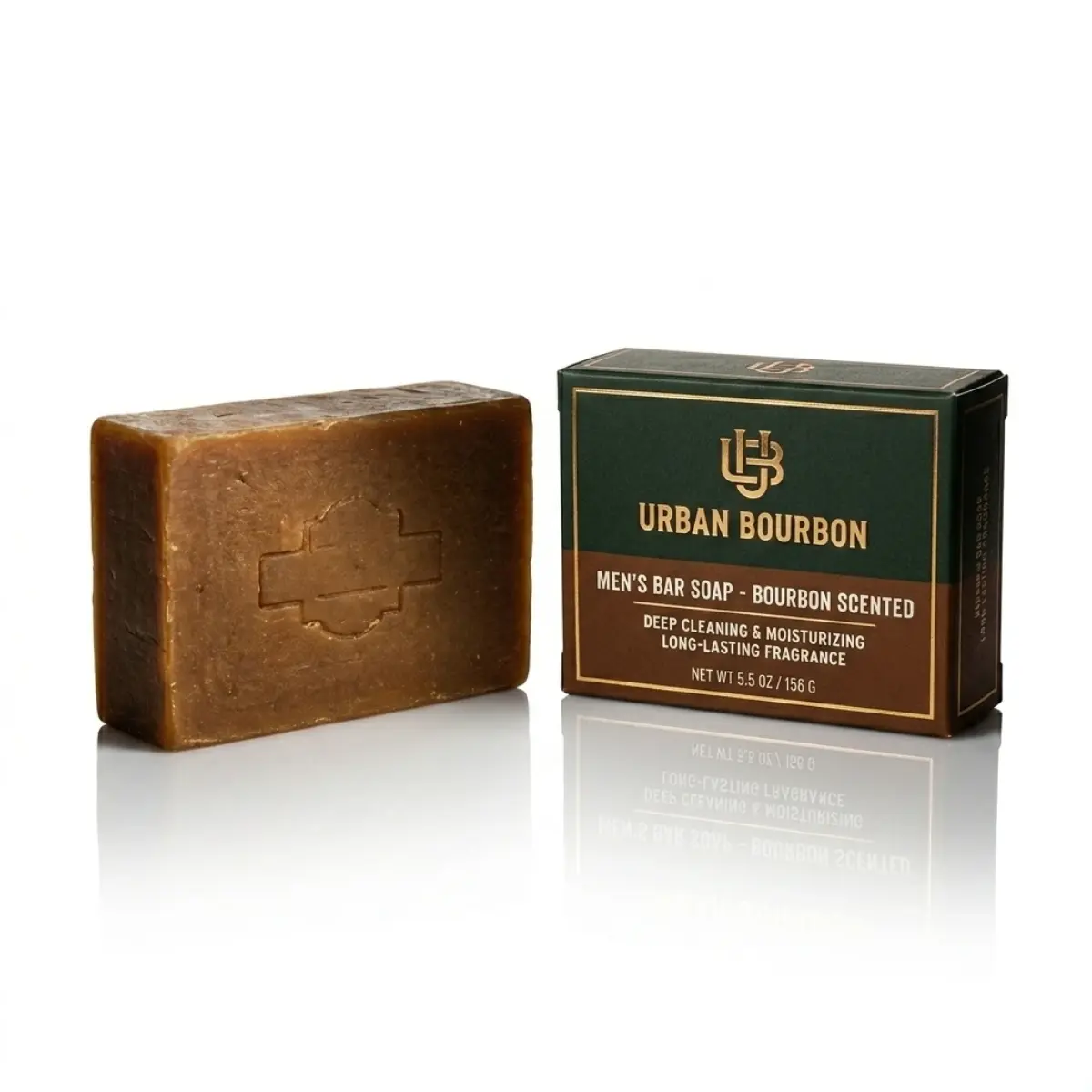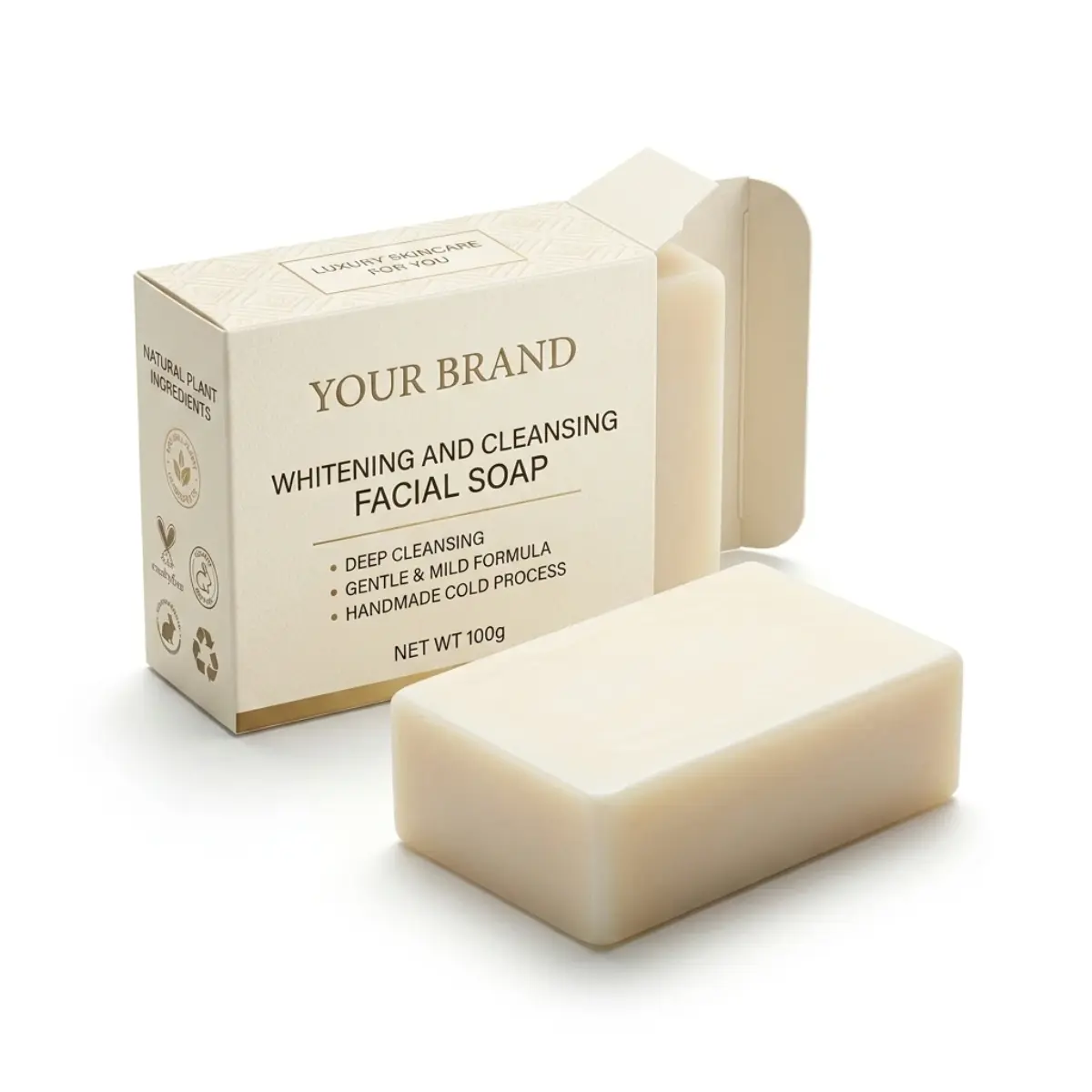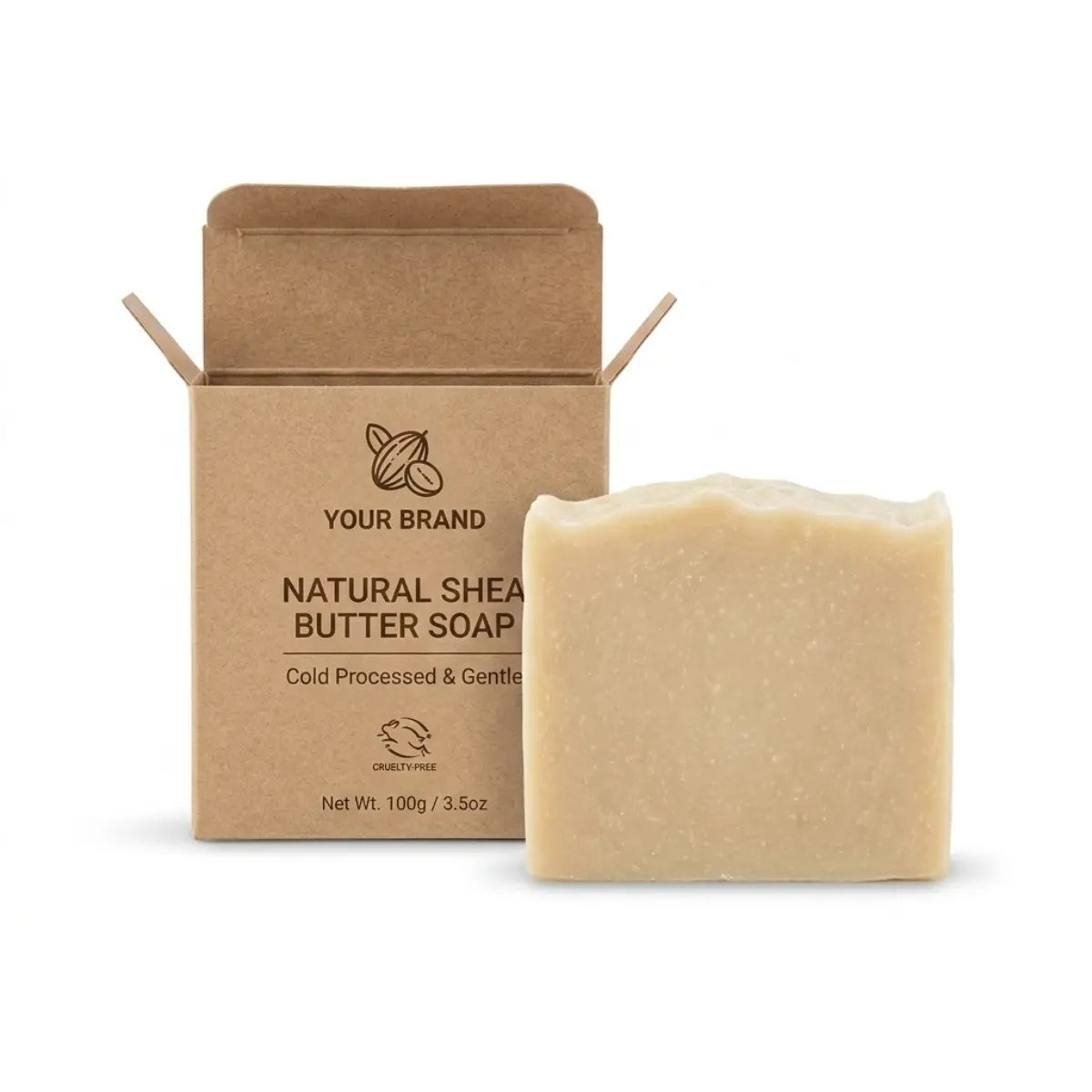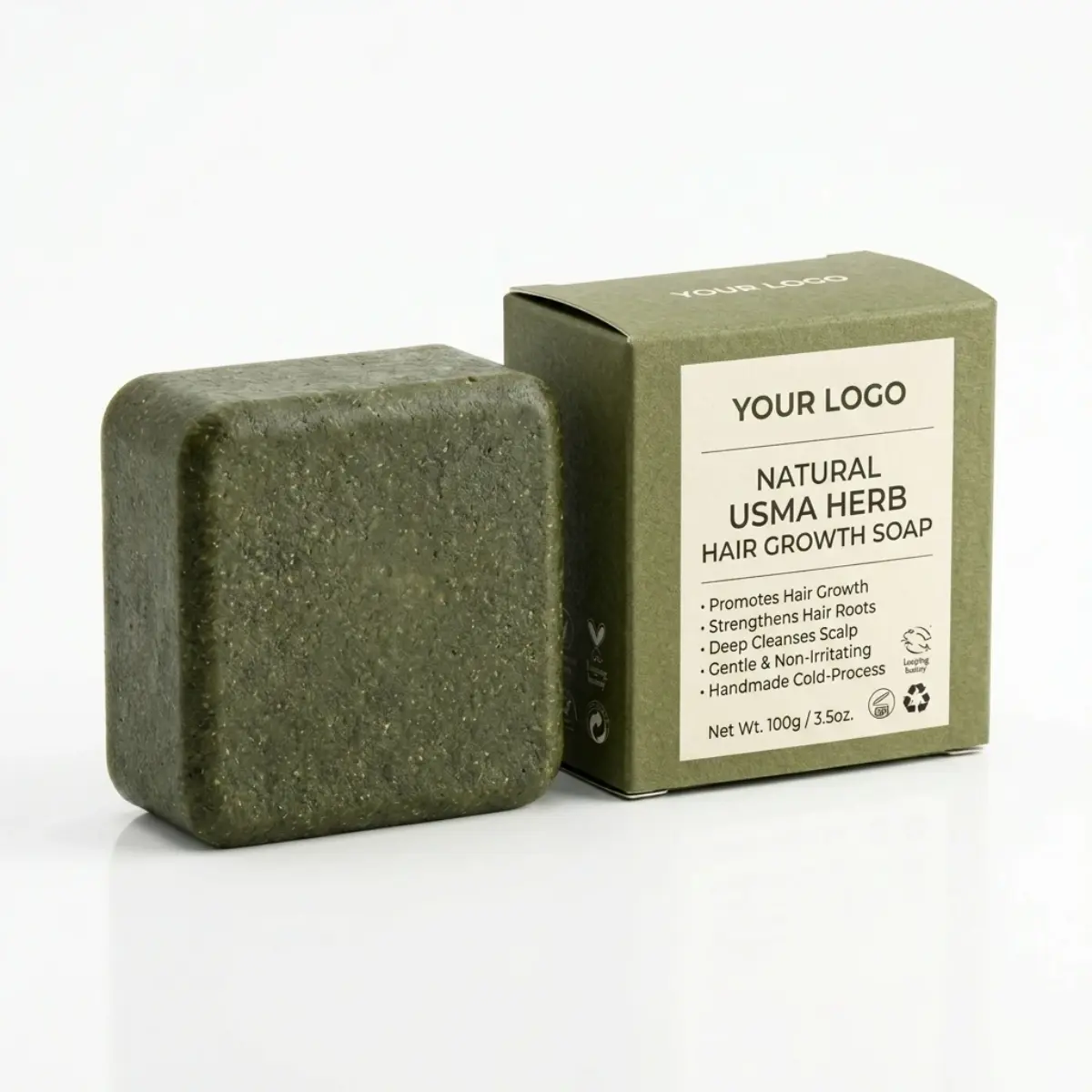

Finding the right private label soap manufacturer in China can be challenging when multiple suppliers offer similar products, customization services, and factory certifications. For beauty brands, wholesalers, distributors, and retail buyers, the real challenge is determining which suppliers can reliably manufacture the soap products their businesses need.
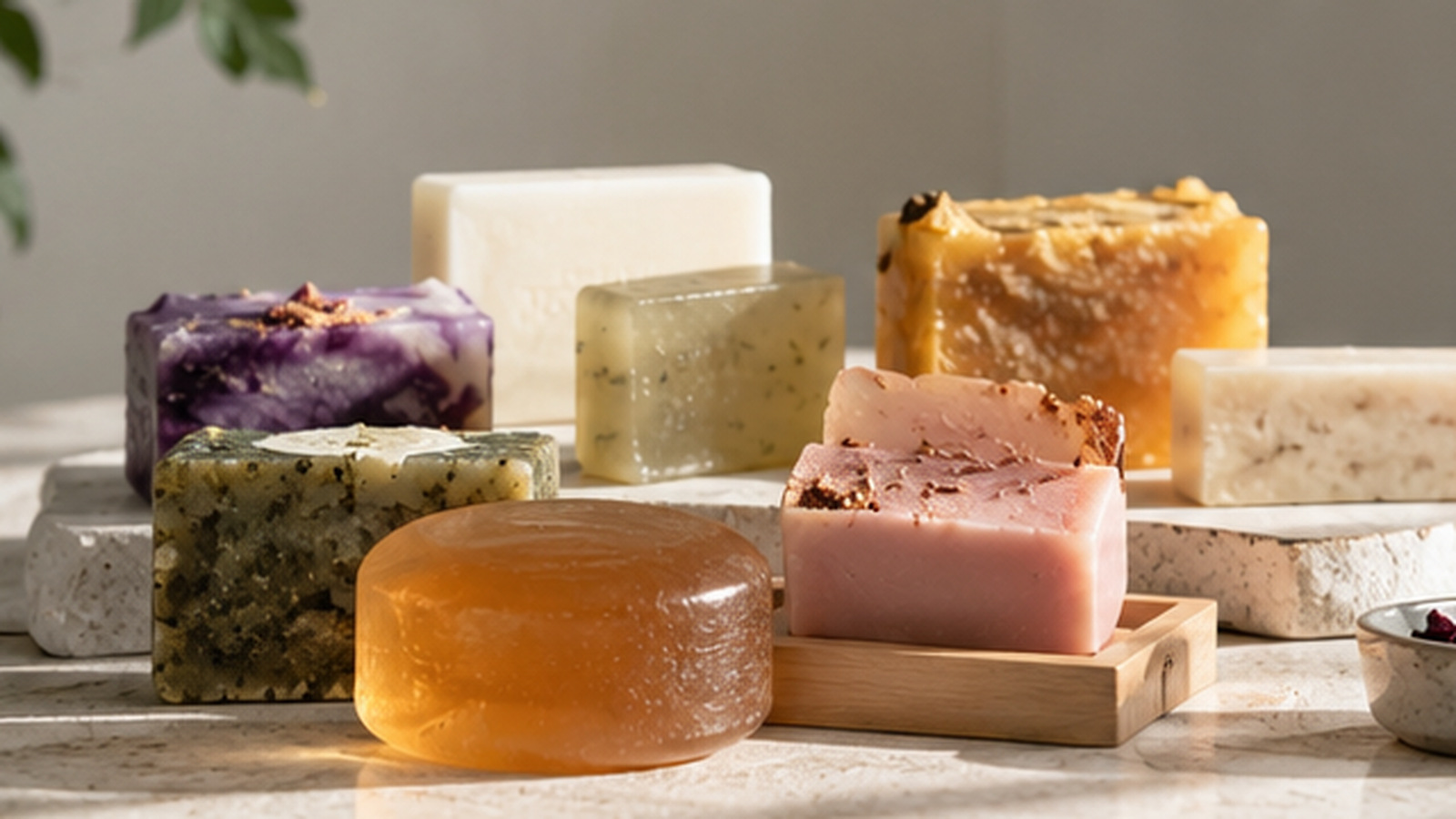
China has a diverse soap manufacturing industry, with suppliers specializing in handmade bar soap, glycerin soap, facial cleansing bars, custom-branded bath soap, and hotel amenities. However, not every company offers the same manufacturing capabilities, production arrangements, or support for international buyers.
This guide introduces 10 private label soap manufacturers and suppliers in China worth considering in 2026. It compares their publicly documented product focus, OEM/ODM services, and potential sourcing applications to help buyers develop a more informed supplier shortlist.
How We Selected These Private Label Soap Manufacturers
This list was compiled from publicly available company websites, product catalogs, and supplier listings reviewed in October 2026.
We considered four main factors:
- Soap product specialization: Public evidence of bar soap, handmade soap, or relevant private label cleansing products.
- Customization availability: Information about OEM/ODM production, private label packaging, or custom formulation services.
- Supplier transparency: Identifiable company information, product listings, and sourcing references.
- B2B purchasing relevance: Products or services suitable for brands, distributors, retailers, hospitality buyers, or wholesale importers.
The companies are presented as an editorial sourcing shortlist rather than an independently audited ranking of China's largest or best-performing factories.
Editorial disclosure: This article is published by Boymay, a private label personal care manufacturer included in the list. Supplier information is based primarily on public materials and has not been independently verified through factory visits. Production ownership, certifications, capacity, and commercial terms should be confirmed directly before purchase.
Top 10 Private Label Soap Manufacturers and Suppliers in China
1. Boymay Cosmetics Co., Ltd.
Location: Huizhou, Guangdong, China
Main products: Handmade bar soap, customized bath soap, specialty soap, and other personal care products
Website: Boymay
Boymay provides OEM/ODM manufacturing services for personal care brands, retailers, wholesalers, and distributors.
Its published product catalog includes handmade soaps in different colors, shapes, and product concepts. The company also offers custom formulation, fragrance, logo, packaging, and product development services.
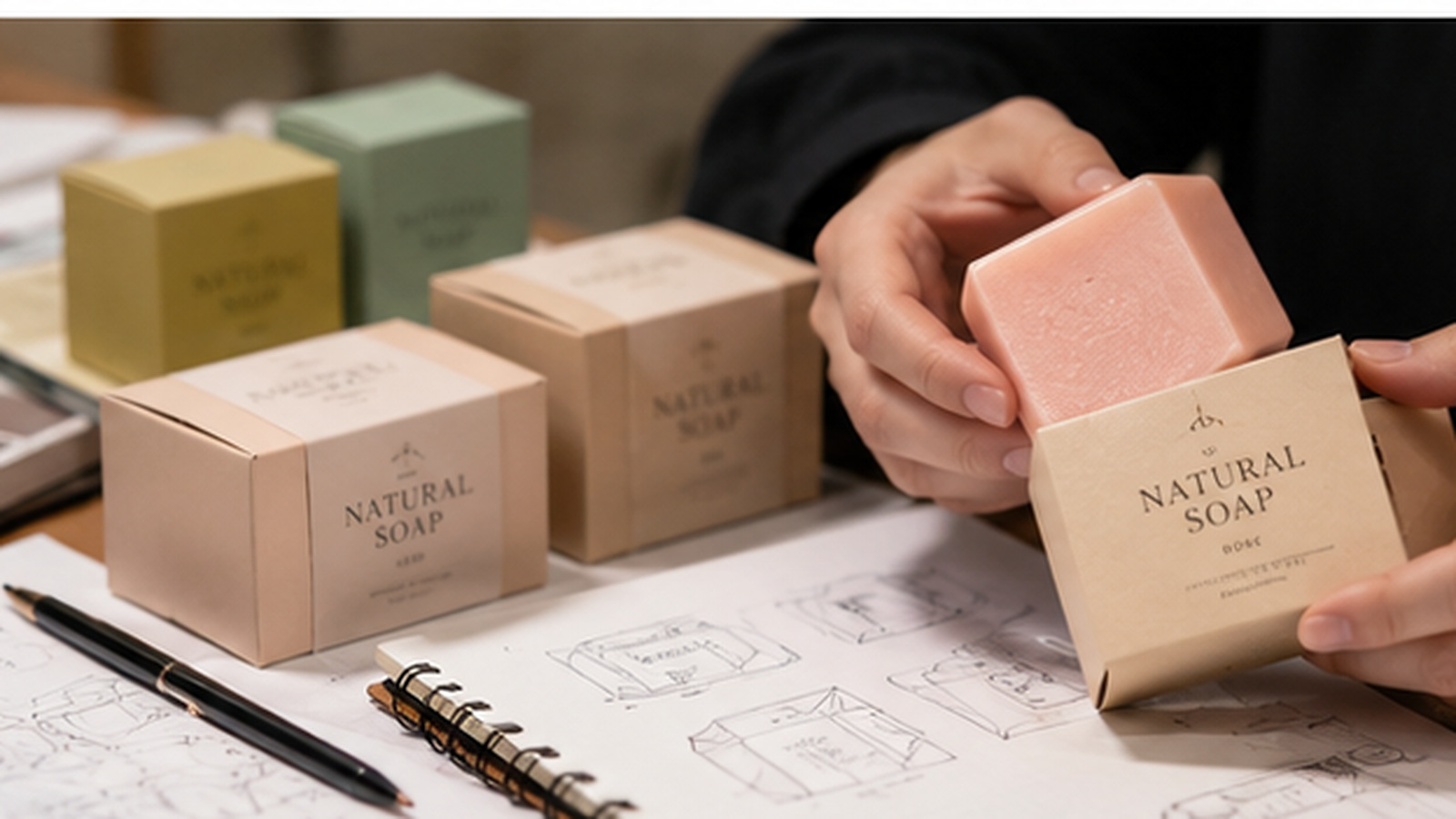
Boymay's private label bar soap range includes options based on plant-derived oils, different bar shapes, and customized retail packaging.
For buyers planning a broader bath and body collection, Boymay's portfolio may be relevant because soap can be developed alongside other personal care products under a coordinated sourcing project.
Potential sourcing fit: Beauty brands and distributors looking to develop custom-branded bar soap alongside complementary personal care products.
What buyers should verify:
- Product-specific formulation and manufacturing methods
- Available customization options for the intended soap category
- MOQ and sample approval requirements
- Stability, quality-control, and compliance documentation
Explore Boymay's private label bar soap manufacturing services.
2. Zhejiang Baoshijie Chemical Technology Co., Ltd.
Location: Lanxi, Zhejiang, China
Main products: Bath soap, transparent soap, essential oil soap, handmade soap, and laundry soap
Website: Baoshijie Soap
Zhejiang Baoshijie Chemical Technology specializes in soap production and provides private label, contract manufacturing, and customized soap services.
According to its official website, the company offers several soap categories, including transparent soap, bath soap, handmade soap, and essential oil soap.
Its OEM services cover product selection, formulation discussions, sampling, manufacturing, and packaging.
Baoshijie may be particularly relevant for importers comparing traditional bar soap production and larger-volume supply arrangements.
The company publishes information about custom soap production and factory operations, although buyers should request current supporting documentation.
Potential sourcing fit: Distributors, established soap brands, and importers looking for specialized bar soap manufacturing.
What buyers should verify:
- Minimum production quantities for each formulation
- Production capacity for the intended SKU
- Custom ingredient and fragrance options
Quality acceptance criteria and manufacturing documentation
3. Caiyifang (Guangzhou) Daily Necessities Co., Ltd.
Location: Guangzhou, Guangdong, China
Main products: Handmade soap, essential oil soap, cleansing bars, and exfoliating soap
Website: Caiyifang Handmade Soap Factory
Caiyifang focuses on handmade soap development and manufacturing.
Its official website describes OEM and ODM production services, a dedicated handmade soap product range, and equipment used for soap mixing, cutting, stamping, and packaging.
The company's catalog includes cleansing bars, exfoliating soap, and other specialty soap categories.
This product focus makes Caiyifang a potential option for brands seeking distinctive handmade soap products rather than general liquid personal care manufacturing.
Buyers should evaluate whether the company's production methods, batch consistency, and packaging capabilities fit their intended retail positioning.
Potential sourcing fit: Handmade soap brands, boutique personal care businesses, and specialty bar soap distributors.
What buyers should verify:
- Available soap-making techniques
- Formula customization and ingredient specifications
- Production consistency between batches
- Packaging and labeling arrangements
4. Guangzhou Huabaotang Biotechnology Co., Ltd.
Location: Guangzhou, Guangdong, China
Main products: Handmade soap, essential oil soap, facial cleansing bars, and bath soap
Website: Huabaotang Soap OEM/ODM
Guangzhou Huabaotang advertises OEM/ODM soap manufacturing services for several solid cleansing product categories.
Its published soap manufacturing information includes cold-process, hot-process, and melt-and-pour options, as well as customization involving fragrance, botanical ingredients, and packaging.
The company distinguishes between using existing product formulas and developing customized formulations.
This distinction can be useful for buyers deciding whether to launch an established product concept or invest in a differentiated soap formulation.
However, the exact development scope should be discussed directly for each product.
Potential sourcing fit: Brands comparing existing private label formulas with more customized soap development.
What buyers should verify:
- Manufacturing process for the proposed bar
- Available formula development services
- Current commercial terms for OEM and ODM projects
- Testing and documentation provided for the destination market
5. Rensino Soap Co., Ltd.
Location: Guangzhou, Guangdong, China
Main products: Bath soap, glycerin soap, milk soap, herbal soap, charcoal soap, and specialty cleansing bars
Website: Rensino Soap
Rensino presents itself as a soap manufacturer and supplier offering a broad range of personal care and household soap products.
Its published product range includes bath soap, moisturizing soap, exfoliating soap, glycerin soap, and specialty soap formulations.
The company also advertises OEM/ODM customization involving formulas, fragrances, colors, shapes, and packaging.
For buyers comparing different soap categories under one supplier, Rensino offers a publicly documented catalog suitable for initial product screening.
As with other suppliers, buyers should confirm the exact production site and whether each requested formula is manufactured in-house.
Potential sourcing fit: Wholesalers and distributors looking to compare multiple bar soap categories.
What buyers should verify:
- In-house manufacturing arrangements
- Availability of complete ingredient information
- Packaging customization and product specifications
- Product-specific quality testing
6. Guangzhou Amarrie Cosmetics Co., Ltd.
Location: Guangzhou, Guangdong, China
Main products: Handmade soap and broader private label skincare products
Website: Amarrie Private Label Soap
Guangzhou Amarrie Cosmetics provides private label and contract manufacturing services for skincare and personal care products.
Its website includes a dedicated handmade soap category alongside its broader skincare offerings.
This makes Amarrie a potential candidate for beauty brands that want to compare soap products with other private label skincare items.
For example, a business planning a coordinated skincare collection may prefer to explore suppliers capable of discussing multiple product categories.
However, manufacturing processes and customization capabilities for bar soap should be confirmed separately from those advertised for creams, serums, and other cosmetics.
Potential sourcing fit: Skincare brands evaluating soap as part of a larger private label product assortment.
What buyers should verify:
- Current handmade soap formulas
- Direct manufacturing versus subcontracting
- Customization options for soap-specific projects
- Relevant product testing and packaging requirements
7. AllTimeCare
Location: Guangdong, China
Main products: Handmade soap, essential oils, and related personal care products
Website: AllTimeCare Handmade Soap
AllTimeCare markets handmade soap alongside essential oils and other botanical-inspired personal care products.
Its website describes custom soap options and wholesale supply services, including products positioned around fragrance and different skincare preferences.
The company also advertises OEM and contract manufacturing support.
For brands interested in fragrant handmade soap collections, AllTimeCare may offer a useful starting point for comparing available product concepts.
Because the public information emphasizes both manufacturing and trading services, buyers should establish the production entity and manufacturing location for the specific soap being ordered.
Potential sourcing fit: Personal care brands looking for handmade soap and fragrance-oriented product concepts.
What buyers should verify:
- Manufacturing ownership and production site
- Ingredients and fragrance documentation
- Available soap formulations
- Sample testing and consistency requirements
8. Guangzhou Mebamy Cosmetics Co., Ltd.
Location: Guangzhou, Guangdong, China
Main products: Handmade soap, private label personal care products, and cosmetic formulations
Supplier reference: Mebamy Private Label Handmade Soap
Guangzhou Mebamy Cosmetics lists private label handmade soap products through the Made-in-China B2B marketplace.
Its public listings include customized handmade soap with different fragrance, labeling, and packaging options.
Mebamy is included because a specific solid soap product and customization service can be identified, rather than relying only on a general cosmetics manufacturing claim.
However, marketplace information is largely supplier-provided, and verification of a business license does not independently establish product quality or confirm every production capability.
Potential sourcing fit: Buyers comparing existing handmade soap concepts and customized retail packaging.
What buyers should verify:
- Actual soap manufacturing location
- Formula and ingredient details
- Availability of custom packaging
- Current MOQ, sample arrangements, and batch records
9. Yangzhou Eco-Amenities Co., Ltd.
Location: Yangzhou, Jiangsu, China
Main products: Hotel soap, guest toiletries, and hospitality amenity products
Website: Yangzhou Eco-Amenities
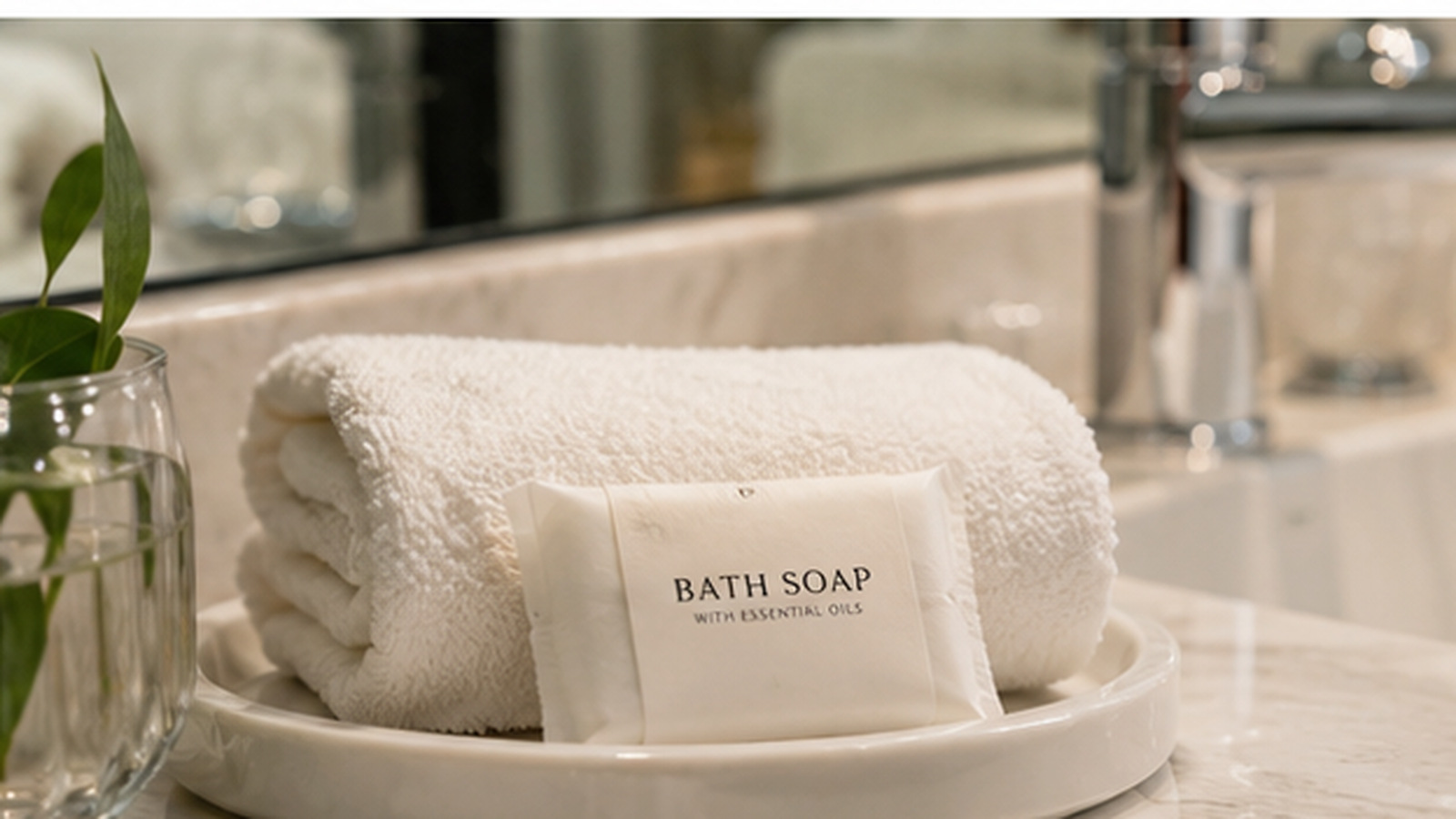
Yangzhou Eco-Amenities specializes in hospitality products, including individually packaged guest soap and other hotel toiletries.
Its official website describes soap manufacturing facilities, OEM/ODM services, and production support for hotels and hospitality suppliers.
Unlike manufacturers focused primarily on retail beauty bars, Eco-Amenities is particularly relevant for buyers purchasing smaller soap formats for hotel rooms, resorts, or guest amenity programs.
Private label requirements in this segment can involve different packaging, unit weights, and distribution models from conventional retail soap.
Potential sourcing fit: Hotel supply distributors, resorts, hospitality purchasing teams, and branded amenity programs.
What buyers should verify:
- Guest soap weights and shapes
- Individual wrapping and custom branding
- Bulk carton specifications
- Repeat-order consistency and delivery schedules
10. iHotel Guest Amenities Co., Ltd.
Location: Yangzhou, Jiangsu, China
Main products: Hotel guest soap, custom-branded mini soap, and hospitality toiletries
Website: iHotel Guest Amenities
iHotel Guest Amenities supplies hotel toiletries and related hospitality products.
Its product catalog includes mini guest soaps, branded hotel soap, and customized soap packaging.
The company states that it manufactures certain products through its own facilities while also working with cooperative suppliers for other categories.
That distinction is important for buyers who specifically require factory-direct production.
For hospitality projects, iHotel may be worth comparing with other guest amenity suppliers, particularly when bar weight, individual packaging, and order consistency are the primary requirements.
Potential sourcing fit: Hotel chains, hospitality distributors, spa operators, and wholesale guest amenity buyers.
What buyers should verify:
- Whether the proposed soap SKU is manufactured in-house
- Custom logo and packaging arrangements
- Carton configuration and shipping protection
- Product specifications and quality-control responsibilities
Private Label Soap Manufacturers in China: Comparison Table
The table below summarizes each supplier's publicly documented product focus and the type of purchasing project for which it may be worth evaluating.
| Manufacturer or supplier | Location | Publicly documented focus | Potential buyer fit |
|---|---|---|---|
| Boymay | Huizhou, Guangdong | Custom bar soap and personal care OEM/ODM | Beauty and bath brands |
| Zhejiang Baoshijie | Lanxi, Zhejiang | Traditional and specialty bar soap | Wholesale distributors |
| Caiyifang | Guangzhou, Guangdong | Handmade and specialty soap | Boutique soap brands |
| Guangzhou Huabaotang | Guangzhou, Guangdong | Soap OEM/ODM and formula development | Custom product projects |
| Rensino Soap | Guangzhou, Guangdong | Broad bar soap product range | Multi-category wholesalers |
| Guangzhou Amarrie | Guangzhou, Guangdong | Handmade soap and skincare | Skincare private labels |
| AllTimeCare | Guangdong | Handmade soap and fragrance products | Botanical-inspired personal care |
| Guangzhou Mebamy | Guangzhou, Guangdong | Handmade soap listings and customization | Private label product sourcing |
| Yangzhou Eco-Amenities | Yangzhou, Jiangsu | Hotel soap and amenities | Hospitality buyers |
| iHotel Guest Amenities | Yangzhou, Jiangsu | Mini guest soap and hotel supplies | Hotel and spa distributors |
Note: This table compares product positioning, not audited product quality. It does not indicate that any one company is the best supplier for every project.
Which Type of Private Label Soap Manufacturer Should You Choose?
The best sourcing decision depends on the type of soap you intend to sell and the purchasing requirements of your business.
For Retail Beauty and Personal Care Brands
Look for manufacturers with relevant finished-bar products, customizable fragrance and packaging, and the ability to provide the documentation required for your target market.
The appearance and sensory performance of the final bar matter, but so do consistent manufacturing and clearly defined product specifications.
For Handmade and Specialty Soap Brands
Prioritize companies with publicly documented handmade soap production and relevant process capabilities.
Before making a decision, request representative samples and confirm whether the supplier can reproduce the approved formula consistently.
For Wholesale Distributors
Consider manufacturers with a relevant product range, clear production capacity, and dependable commercial communication.
Compare quotations using identical product specifications, including bar weight, individual wrapping, carton quantity, and delivery terms.
For Hotels and Hospitality Buyers
Focus on manufacturers with hotel soap and guest amenity experience.
Individual packaging, product size, branding options, carton protection, and repeat-order consistency may be more important than the extensive customization required by premium retail beauty brands.
How to Verify a Private Label Soap Factory Before Ordering
A supplier's website is useful for preparing a shortlist, but it is not sufficient evidence for making a bulk purchasing decision.
A structured verification process can reduce the risk of sourcing from a company that cannot meet your specifications.
| Verification area | What to request | Why it matters |
|---|---|---|
| Business identity | Registered company name and business license | Confirms the legal entity |
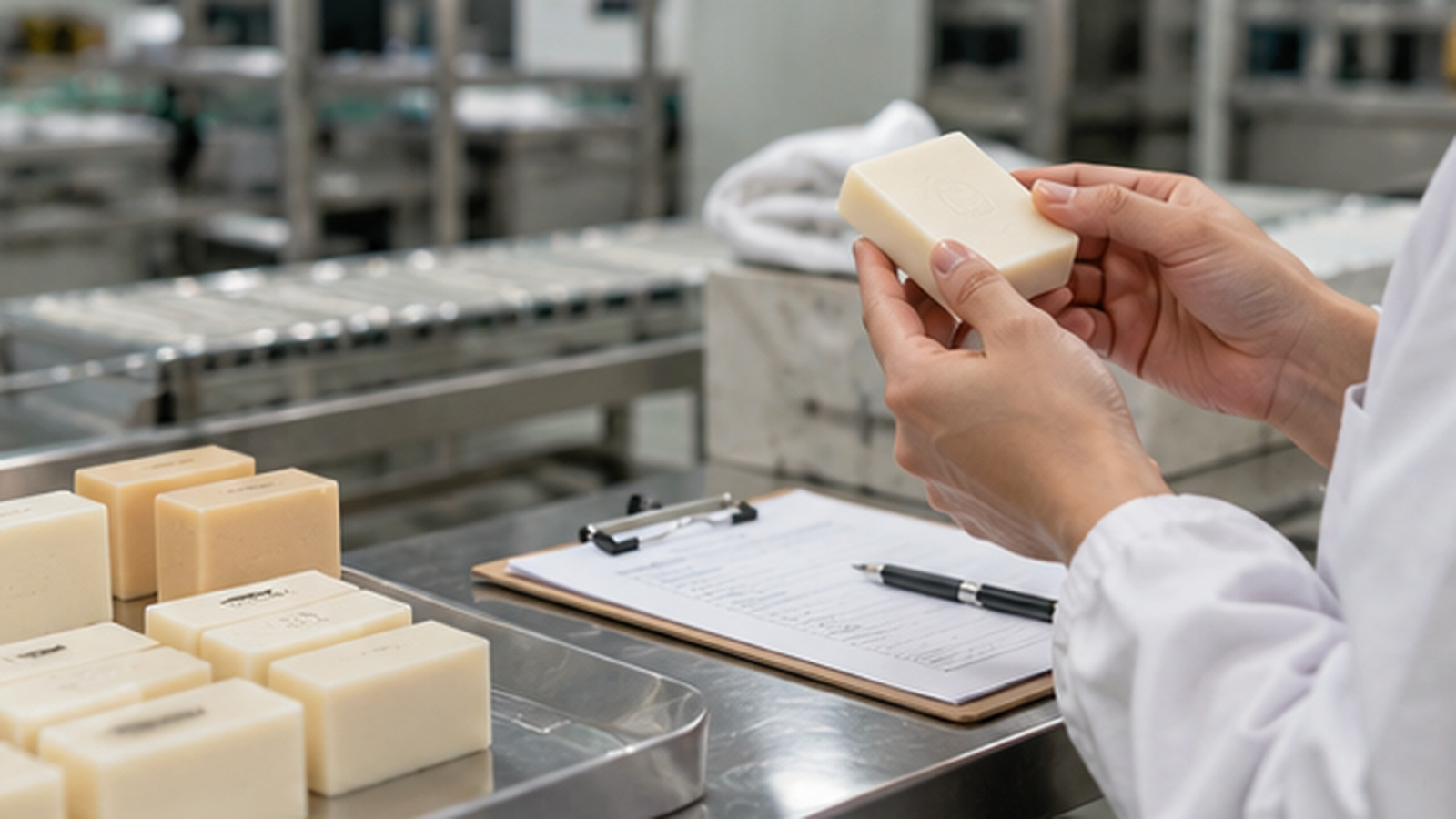
| Manufacturing site | Factory address and a live or recorded production walkthrough | Helps distinguish production from sourcing |
| Product capability | Current soap catalog and relevant samples | Confirms product relevance |
| Quality management | Applicable certificates and product-specific records | Supports quality evaluation |
| Formula documentation | Ingredient information and agreed specifications | Establishes what will be manufactured |
| Commercial terms | Written quotation with MOQ, lead time, and Incoterms | Makes offers comparable |
| Production consistency | Batch traceability and inspection criteria | Supports reliable repeat orders |
| Compliance | Destination-market documentation and labeling information | Helps identify regulatory obligations |
Manufacturer vs. Trading Company: Why the Difference Matters
Some suppliers operate their own factories. Others coordinate production through contracted facilities, while some combine direct manufacturing with trading services.
None of these models is automatically unsuitable.
However, buyers should establish who actually produces the soap, who controls the formula, and who accepts responsibility for quality issues.
A trading supplier may provide useful coordination and access to multiple factories. A directly operated soap factory may offer closer production communication and process control.
The right model depends on your procurement requirements.
If factory-direct manufacturing is a strict condition, obtain written confirmation of the production entity before approving an order.
How to Compare Soap Supplier Quotations Fairly
A low quoted price does not necessarily mean a lower total purchasing cost.
Two manufacturers may quote different prices because they are offering different formulas, bar weights, packaging materials, or quality requirements.
Before requesting quotations, provide each supplier with the same product brief.
For example:
| Specification | Example RFQ requirement |
|---|---|
| Product category | Private label bath bar soap |
| Bar weight | 100 g |
| Fragrance | One specified fragrance or fragrance-free |
| Packaging | Individual printed carton |
| Branding | Custom logo and label artwork |
| Market | United States |
| Initial quantity | 5,000 bars for quotation comparison |
| Documentation | Full ingredient list and relevant product records |
| Quotation terms | Unit price, packaging cost, tooling, freight terms, and lead time |
The 5,000-bar quantity above is an example RFQ scenario, not a published MOQ for any listed company.
Ask suppliers to identify excluded costs separately. These may include custom molds, printed packaging, testing, inspection, freight, and applicable import charges.
Comparing identical specifications makes price differences easier to interpret.
For a detailed explanation of formulation and packaging development, see Boymay's guide to customizing your own soap brand.
Regulatory Considerations for Soap Imports
Before placing a bulk order, confirm how the intended product will be classified in its destination market.
United States
In the United States, traditional soap that meets the FDA's regulatory definition and is marketed solely as soap is generally regulated by the Consumer Product Safety Commission.
Other cleansing bars may be regulated as cosmetics, while products making certain therapeutic or disease-related claims may be regulated as drugs.
The distinction depends on the product's composition and intended use, not simply whether the label says "soap."
The FDA's Frequently Asked Questions on Soap explain these distinctions.
European Union
Cosmetic soap products marketed in the European Union are generally subject to Regulation (EC) No 1223/2009.
Applicable requirements may include product safety assessment, a responsible person, a Product Information File, notification, and compliant labeling.
Consult the EU Cosmetics Regulation and obtain appropriate professional advice for the specific product.
Manufacturing certificates do not automatically replace destination-market product compliance requirements.
Final Thoughts: Select a Soap Manufacturer Based on Evidence
China offers a range of private label soap sourcing options, from specialized handmade soap producers to broad personal care manufacturers and hospitality amenity suppliers.
The ten companies featured in this guide provide a useful starting point for supplier research, but their suitability depends on the specific project.
Rather than choosing a supplier solely because it appears on a Top 10 list, compare manufacturing arrangements, formula capabilities, product samples, documentation, commercial terms, and quality-control procedures.
For businesses seeking a long-term private label soap partner, clear specifications and verifiable production capabilities matter more than promotional claims.
Explore Private Label Bar Soap Manufacturing With Boymay
Boymay supports OEM/ODM development for private label bar soap and related personal care products.
If you are planning a custom soap range, explore our private label bar soap manufacturing services to discuss product specifications, packaging requirements, customization options, and potential order arrangements with our team.
Frequently Asked Questions
Q: How can I find reliable private label soap manufacturers in China?
A: Begin with suppliers that publish relevant soap products and identifiable company information. Request samples, confirm the actual production site, examine product specifications, and compare written quotations before selecting a manufacturing partner.
Q: Are all private label soap suppliers in China direct factories?
A: No. Some operate their own factories, some use subcontracted manufacturers, and others combine production with trading activities. Buyers should verify the company responsible for manufacturing their specific product.
Q: What should I ask a Chinese soap manufacturer before requesting a quotation?
A: Provide your intended soap type, target market, formula requirements, bar weight, packaging, branding requirements, estimated order quantity, and required documentation. Ask the supplier to confirm production responsibility, current MOQ, sample terms, and quality acceptance procedures.
Q: Can private label soap manufacturers support small brands?
A: Some suppliers offer existing formulas and relatively accessible entry quantities, while others focus on higher-volume production. Actual availability depends on the product, customization requirements, and packaging configuration.
Q: Is a manufacturer with ISO 22716 certification automatically compliant with US or EU requirements?
A: No. ISO 22716 concerns cosmetic good manufacturing practices. Product classification, ingredient restrictions, safety documentation, labeling, and other market-specific obligations must still be evaluated separately.