
Seleccionar un fabricante de jabón parece simple hasta que se encuentra frente a una hoja de cálculo con veinte proveedores, cada uno prometiendo "calidad premium" y "entrega rápida". La verdad es que la fábrica que elija influye en todo lo posterior—el atractivo en el estante, sus márgenes, su riesgo de retiro del mercado. Equivocarse es costoso; hacerlo bien puede convertirse silenciosamente en la ventaja competitiva de su marca.
Esta guía analiza los criterios que los compradores experimentados realmente consideran, desde la documentación regulatoria hasta la profundidad de la formulación. Está escrita para personas que necesitan defender sus decisiones de abastecimiento, no solo marcar casillas.
Comprenda sus propias necesidades antes de comenzar a buscar
La mayoría de los errores de abastecimiento ocurren antes de que un comprador contacte siquiera a un proveedor. Las especificaciones ambiguas generan socios incompatibles. Aclare primero sus requisitos, y la evaluación de proveedores será mucho más fácil.
OEM vs. ODM: ¿Qué modelo se adapta a su marca?
En un acuerdo OEM, usted aporta la fórmula, el diseño y las especificaciones—el fabricante ejecuta su visión. Esto es adecuado para marcas establecidas con formulaciones propias que desean proteger.
ODM invierte la relación: el fabricante ya posee fórmulas y moldes probados, y usted personaliza la fragancia, el color o el empaque adicionalmente. Es más rápido y económico para nuevas marcas que prueban una categoría. Un fabricante competente de jabón de marca privada debería ofrecer ambas opciones, para que no quede limitado a una sola vía a medida que su negocio madure.
Defina su visión de producto y volumen
Anote los detalles no evidentes desde el principio: el precio minorista objetivo, el posicionamiento por tipo de piel, si necesita bases sin palma o veganas, y un volumen realista para el primer pedido. Los proveedores cotizan de manera muy diferente dependiendo de si planea 1,000 unidades o 50,000. La ambigüedad aquí genera cotizaciones que no se pueden comparar de manera equivalente.
Certificaciones y Cumplimiento: Los No Negociables
Antes de enamorarse de las fotos de los productos de una fábrica, verifique sus credenciales. En el cuidado personal, el cumplimiento no es un lujo—es su licencia legal para vender.
Certificaciones Clave a Verificar
Solicite los números de certificado reales y las fechas de vencimiento, no solo los logotipos en un sitio web. Un proveedor de jabón certificado GMP debería entregarlos sin dudarlo.
| Certificación | Qué Garantiza | Por Qué Es Importante para los Compradores B2B |
|---|---|---|
| GMP | Estándares de calidad de fabricación consistentes | Seguridad del producto y fiabilidad de lote a lote |
| ISO | Sistemas de gestión de calidad estandarizados | Consistencia operativa y trazabilidad |
| FDA | Cumplimiento normativo para los mercados objetivo | Acceso legal al mercado, especialmente en América del Norte |
| SMETA | Auditoría de abastecimiento ético y responsable | Transparencia en la cadena de suministro para los requisitos de los minoristas |
Cumplimiento regional en América del Norte, Europa y Oriente Medio
Las certificaciones son la base, pero cada mercado añade sus propias normas. La UE exige un Informe de Seguridad del Producto Cosmético y el registro de Persona Responsable; América del Norte aplica el etiquetado de ingredientes basado en INCI; varios mercados de Oriente Medio exigen etiquetado en árabe y, en algunos casos, documentación de ingredientes halal.
Un fabricante con experiencia en estas regiones le señalará estos requisitos antes de que usted lo haga—una señal pequeña pero reveladora de su experiencia.
Capacidad de fabricación y capacidad de producción
Una fábrica que deslumbra con 1,000 unidades puede flaquear con 20,000. Evalúe si la operación puede escalar realmente con usted.
Tamaño de la fábrica, automatización y producción
La infraestructura física influye directamente en la consistencia. Las líneas automatizadas reducen la variabilidad humana en el vertido, curado y corte—que es precisamente donde los jabones de estilo artesanal suelen desviarse de las especificaciones. Pregunte cuántas líneas operan en paralelo y cuál es el techo mensual.
Una huella grande y automatizada también le amortigua durante los picos de demanda, cuando los talleres más pequeños empiezan a cotizar demoras de ocho semanas.
Evaluación de los plazos de producción
Los plazos realistas protegen su calendario de lanzamiento. Desconfíe de quien le prometa una entrega al por mayor drásticamente más rápida que la norma de la industria—por lo general, significa que se toman atajos en algún lugar.
| Etapa de producción | Rango típico de la industria | Qué preguntarle a su proveedor |
|---|---|---|
| Muestra personalizada | 7–14 días | Fórmula, fragancia y preparación del empaque |
| Producción en masa | 25–30 días | Capacidad durante temporadas pico |
Personalización y flexibilidad de formulación
Si todos los proveedores pudieran fabricar una barra idéntica, no habría razón para comparar opciones. La personalización es donde un fabricante demuestra su valor.
Opciones de formulación de jabón personalizado
La profundidad de la formulación de jabón personalizado distingue a un desarrollador genuino de un simple reetiquetador. Busque control sobre los aceites base, los niveles de sobreengrasado, los exfoliantes, las inclusiones botánicas y la carga de fragancia. Cada vez más, los compradores también quieren formulaciones veganas y libres de crueldad animal que eviten ingredientes de origen animal y pruebas en animales—un requisito en varios canales minoristas en la actualidad.
Pregunte si el equipo de I+D puede realizar ingeniería inversa de un producto de referencia que usted admire y luego mejorarlo. Esa capacidad es un buen indicador de la madurez de la formulación.
Moldes y empaques personalizados
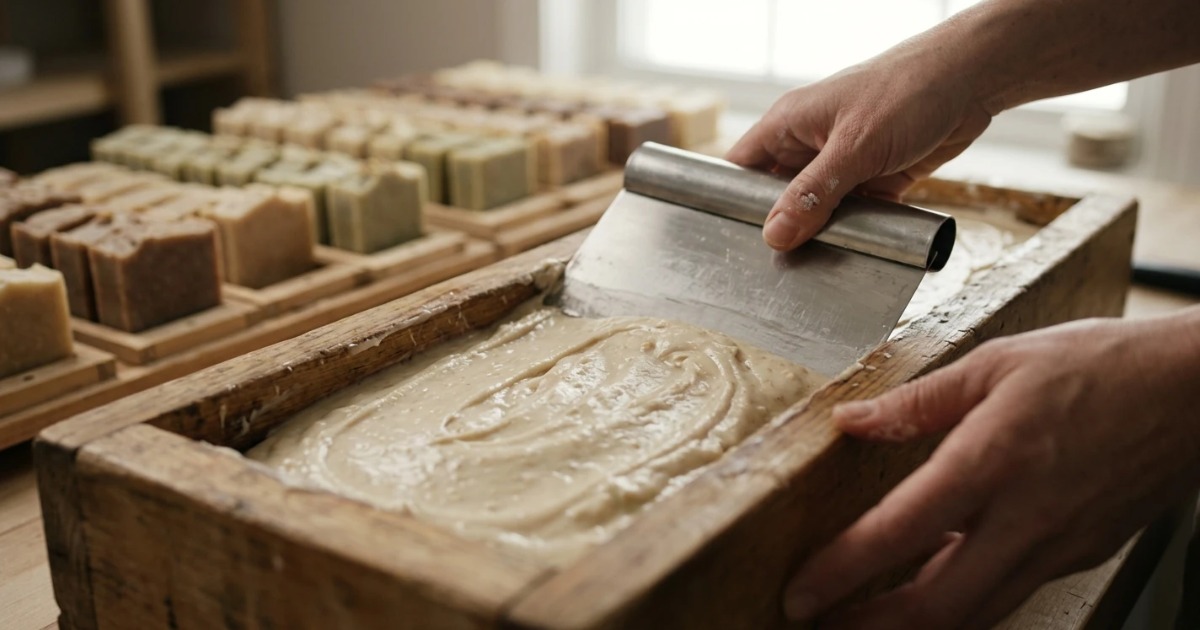
Los moldes a medida convierten una barra genérica en un activo de marca reconocible. Un socio capaz de fabricar formas personalizadas—y coordinar cajas, envolturas o empaques recargables a juego—le permite diferenciarse en el estante sin reinventar su cadena de suministro.
Cantidad mínima de pedido y estructura de costos
La MOQ determina silenciosamente su flujo de caja, su exposición de inventario y con cuánta libertad puede experimentar.
Comprensión de los requisitos de cantidad mínima de pedido de jabón
Un umbral alto de cantidad mínima de pedido de jabón obliga a las marcas emergentes a arriesgar grandes sumas en SKUs no probados. Un MOQ más bajo—por ejemplo, desde 1,000 unidades—le permite probar una fragancia o formato en el mercado, recopilar datos de ventas reales y luego reordenar con confianza. Esa flexibilidad a menudo vale más que un precio unitario ligeramente más bajo.
Equilibrio entre precio, calidad y valor
El precio unitario es el titular; el costo total de propiedad es el número real. Considere las tasas de defectos, la confiabilidad de los reordenes, la consolidación de envíos y el costo de un desabastecimiento durante una ventana de lanzamiento. Un proveedor que es 5% más barato pero 20% menos confiable no es la ganga que parece.
Aseguramiento de la calidad y consistencia
Cualquier fábrica puede producir un buen lote. La cuestión es si el lote 40 coincide con el lote 1.
Mejores prácticas para la evaluación de muestras
Antes de comprometerse con la compra al por mayor, someta sus muestras a pruebas rigurosas. Verifique la densidad de la espuma, la dureza después del período de curado, la proyección del aroma durante varias semanas, la estabilidad del color bajo la luz y la sensación en la piel. Cuando corresponda, solicite un informe de estabilidad o pH. Evalúe más de una muestra de la misma producción para medir la consistencia.

Trayectoria y experiencia en la industria
La longevidad indica resiliencia. Un fabricante OEM de cuidado personal que ha sobrevivido a múltiples ciclos de mercado, cambios regulatorios y perturbaciones de materias primas tiene sistemas de los que carecen la mayoría de los nuevos actores. Pregunte cuánto tiempo han servido a su región objetivo y solicite referencias de clientes con volúmenes similares.
Comunicación, soporte y asociación a largo plazo
La compatibilidad técnica significa poco si no puede obtener una respuesta directa a las 9 a.m. de su zona horaria.
Capacidad de respuesta y transparencia
Observe cómo un proveedor maneja su primera pregunta difícil. Los plazos claros, los límites de capacidad honestos y las actualizaciones proactivas durante el muestreo predicen cómo se comportará la relación bajo presión. La evasión inicial rara vez mejora después de que se paga el depósito.
Escalabilidad para el crecimiento futuro
Elija un socio del tamaño adecuado para hacia dónde se dirige, no solo para dónde está. Recurrir a una nueva fuente después de haber superado a un proveedor es disruptivo y costoso; mucho mejor es alinearse con una fábrica que pueda absorber el crecimiento sin renegociarlo todo.
Por qué BOMAY es un socio de fabricación de jabón artesanal de confianza
Si la lista de verificación anterior describe lo que busca, BOMAY fue creada para cumplir con ello.
Tres décadas de experiencia en OEM/ODM
Desde 1995, BOMAY se ha centrado en la fabricación OEM y ODM de esponjas de baño, geles de ducha y productos de cuidado personal. Nuestra planta de 40,000 m² opera 16 líneas de producción automatizadas con un equipo de más de 200 personas, lo que nos brinda la capacidad y la consistencia que los talleres más pequeños simplemente no pueden igualar.
Cartera completa de certificaciones
Contamos con certificaciones GMP, ISO, FDA y SMETA—que cubren los requisitos no negociables descritos anteriormente, desde la seguridad del producto hasta la transparencia en el abastecimiento ético exigida por los minoristas de América del Norte y Europa.
MOQ bajo y alta personalización
Nuestro pedido mínimo comienza en solo 1,000 unidades, para que pueda probar y escalar sin comprometer demasiado capital. Apoyamos moldes personalizados, formulaciones personalizadas y opciones veganas y libres de crueldad, con muestras en 7–14 días y plazos de entrega estables de 25–30 días para pedidos al por mayor.
| Ventaja BOMAY | Detalle |
|---|---|
| Experiencia | Establecida en 1995 |
| Instalación | Fábrica de 40,000 m², 16 líneas automatizadas |
| MOQ | Desde 1,000 unidades |
| Muestras | 7–14 días |
| Plazo de entrega para pedidos al por mayor | 25–30 días |
| Certificaciones | GMP, ISO, FDA, SMETA |
Conclusión y próximos pasos
Elegir un fabricante de jabón artesanal se reduce a una lista de verificación rigurosa: certificaciones verificadas, capacidad de producción real, profundidad de formulación, un MOQ viable, consistencia de calidad comprobable y un socio comunicativo que pueda escalar con usted.
BOMAY fue diseñado para cumplir cada punto de esa lista—tres décadas de experiencia, certificación completa, mínimos bajos y personalización profunda. Si está listo para pasar de la evaluación a la ejecución, solicite una cotización o una muestra personalizada y conéctese con nuestro equipo para analizar su programa de jabón de marca privada y OEM/ODM.
Contacte a BOMAY hoy para comenzar su proyecto de jabón personalizado—obtenga una cotización a medida y su primera muestra en tan solo 7–14 días.
Preguntas frecuentes
P: ¿Cuál es la cantidad mínima de pedido para jabón personalizado?
R: Los MOQ varían ampliamente en la industria, y muchas fábricas comienzan en decenas de miles. BOMAY establece un umbral mucho más accesible de 1,000 unidades, lo que hace que sea práctico para las marcas emergentes lanzar y validar un producto antes de escalar.
P: ¿Cuánto tiempo se tarda en desarrollar una muestra de jabón personalizada?
R: Las muestras personalizadas generalmente se preparan en un plazo de 7–14 días. El cronograma exacto depende de la complejidad de la fórmula, la selección de fragancias, los requisitos de apariencia y cualquier empaque personalizado involucrado.
P: ¿Pueden los jabones artesanales formularse como veganos y libres de crueldad animal?
A: Sí. Nuestras formulaciones pueden desarrollarse de forma vegana utilizando ingredientes de origen vegetal, y nuestros productos no se prueban en animales—cumpliendo con los requisitos de minoristas y consumidores que priorizan el abastecimiento ético.
P: ¿Qué certificaciones debe tener un fabricante de jabón?
R: Como mínimo, busque GMP para calidad de fabricación, ISO para sistemas de gestión, cumplimiento de FDA para mercados como Norteamérica, y SMETA para abastecimiento ético. BOMAY cuenta con las cuatro.
P: ¿Cuál es la diferencia entre la fabricación de jabón OEM y ODM?
R: Con OEM, usted suministra la fórmula y el diseño, y el fabricante lo produce. Con ODM, el fabricante proporciona fórmulas y moldes existentes que usted personaliza. OEM se adapta a marcas con productos propios; ODM acelera el lanzamiento para marcas nuevas.